

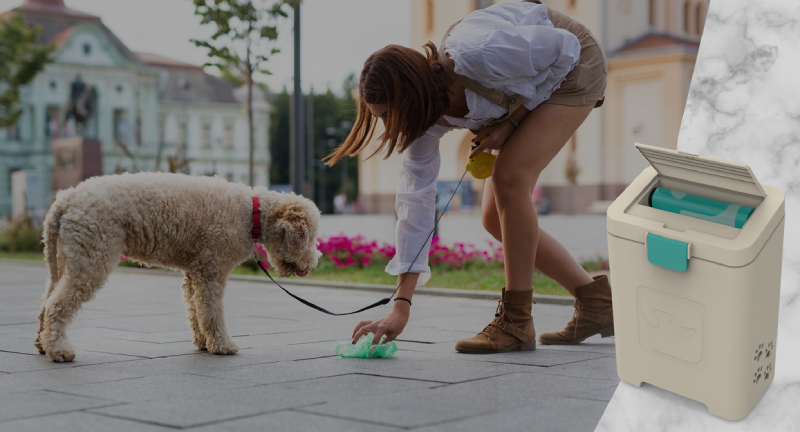
The environment plays a significant role in our lives, from providing us with food, clear air, and a safe climate. It is crucial for us to keep our environment safe and secure. One of the best ways to help in this effort is to set up pet waste stations around your home and in public places. Pet waste stations make it easier to pick up and dispose of pet waste while spending time outdoors. Since pet waste is a major source of pollution, managing it properly helps to reduce health risks for both pets and humans, as well as the environment in general. This article will explain the importance of pet waste stations and how they can help save the environment by reducing pet waste pollution. It will also provide some tips on choosing a location, purchasing the right materials, and setting up the station. By setting up a pet waste station, everyone can do their part to reduce pet waste pollution and keep our environment safe.
Why Use Pet Waste Stations To Help Save The Environment?
Utilizing a pet waste station is crucial for environmental conservation. When pet owners diligently clean up after their pets and dispose of the waste in designated stations, it prevents pet waste from contaminating water sources and soil. Pet waste contains harmful bacteria and parasites that can be detrimental to the ecosystem and public health. By using pet waste stations, the proper containment and disposal of waste are ensured, reducing the risk of water pollution and the spread of diseases. This environmentally responsible practice plays a significant role in safeguarding the environment for future generations.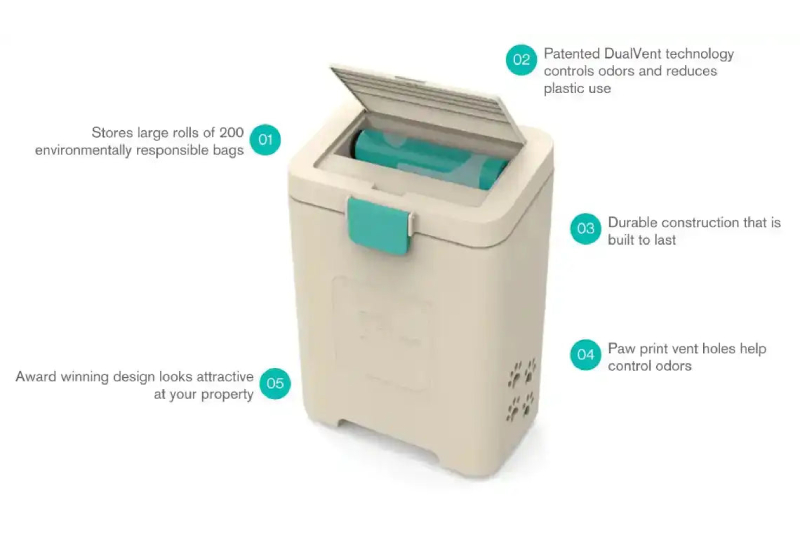
Benefits Of Installing Pet Waste Stations
Installing pet waste stations offers numerous benefits for communities and pet owners alike. These stations promote cleanliness and hygiene by keeping public spaces free from pet waste, creating a more pleasant environment for everyone. They also reduce the risk of slips and falls caused by stepping on pet waste, enhancing safety in parks, trails, and other communal areas. Moreover, pet waste stations encourage responsible pet ownership, instilling a sense of civic duty and consideration for others. By maintaining clean and well-maintained public spaces, communities can improve the quality of life for residents and create a positive image for visitors.
Tips For Disposing of Pet Waste Properly
Proper disposal of pet waste is essential to prevent environmental contamination and maintain cleanliness. Firstly, it is crucial to use biodegradable waste bags designed for pet waste, as they break down naturally over time. After picking up the waste, securely tie the bag to prevent any leakage or odor. Dispose of the bag in designated pet waste stations or, if available, in compost bins designated for pet waste. Avoid flushing pet waste down the toilet, as it can strain sewage systems and potentially contaminate water sources. Lastly, always wash your hands thoroughly after handling pet waste to minimize the risk of bacterial transmission. By following these proper disposal practices, pet owners can minimize their environmental impact and protect public health.
Reasons To Choose Eco-Friendly Pet Waste Stations
Opting for eco-friendly pet waste stations offers several advantages in terms of environmental sustainability. These stations are typically made from recycled materials, reducing the demand for new resources and minimizing waste. Additionally, they often incorporate features such as solar-powered lighting or waste bag dispensers, further reducing energy consumption. Eco-friendly pet waste stations are designed to be durable and long-lasting, minimizing the need for frequent replacements and reducing waste generation. By choosing environmentally conscious options, communities and pet owners can actively contribute to a greener future and showcase their commitment to sustainable practices.
Storage Solutions For Pet Waste Stations
Proper storage solutions are vital for maintaining the functionality and appearance of pet waste stations. Storage containers should be weather-resistant, durable, and secure, protecting the supplies from damage, theft, or unauthorized access. Consider storage options that can be easily integrated into existing structures or placed near the pet waste station for convenient access. Proper organization of supplies within the storage container is also important to ensure easy restocking and inventory management. By investing in suitable storage solutions, communities can ensure that pet waste stations are always well-stocked and ready for use.
Limiting the Negative Impact Of Pet Waste On the Environment
Pet waste poses a significant environmental challenge, but there are measures that can be taken to limit its impact. Encouraging pet owners to clean up after their pets and providing easily accessible pet waste stations can effectively prevent waste from accumulating in public spaces. Regular maintenance and cleaning of these stations are essential to ensure they remain functional and sanitary. Educating pet owners about the environmental consequences of improper waste disposal and promoting responsible pet ownership can foster a culture of conscientiousness. Furthermore, exploring alternative waste disposal methods, such as composting pet waste in designated areas, can help minimize the environmental footprint. By collectively addressing the issue, communities can mitigate the negative impact of pet waste on the environment and create cleaner, healthier surroundings.
Finding Alternatives To Traditional Pet Waste Disposal Practices
Traditional pet waste disposal practices, such as throwing waste in regular trash bins or flushing it down the toilet, can be improved upon to minimize environmental impact. Consider exploring alternative options, such as composting pet waste in designated areas or using specialized pet waste disposal services that convert waste into biogas or fertilizers. These alternative practices can help reduce the amount of waste that ends up in landfills and prevent contamination of water sources. Additionally, implementing community-wide initiatives, such as pet waste collection events or educational campaigns, can raise awareness and encourage pet owners to adopt more sustainable disposal practices. By embracing alternatives to traditional pet waste disposal, communities can contribute to a greener future while ensuring a cleaner and healthier environment for all.
Conclusion
The implementation of pet waste stations in parks and public spaces is a great way to contribute to environmental protection from pet waste. This innovative and cost-effective solution is a practical way to address a problem that has been of issue for the preservation of our environment. Pet owners enjoy the ease and convenience associated with the pet waste stations while local authorities benefit from reduced labor costs and a healthier environment. With proper education, pet waste stations can become an efficient way to reduce the environmental impacts of pet waste in parks and public places. By supporting and implementing this initiative, we can create a safe and more sustainable environment for us and the generations to follow.

Vilma Hahn is an Alaskan native who has been blogging about life in the most Northern state for over 10 years. As a freelance writer, Vilma has traveled extensively through Alaska, collecting stories and experiences to share on her blog. She shares stories about hiking and camping, visiting small towns, and outdoor adventures. Vilma loves to share her enthusiasm for life in Alaska and hopes to encourage people from all over the world to visit the 49th state.