


If you or a loved one is planning hip surgery, you probably have one big question in mind: what is hip replacement recovery really like? Knowing the steps in advance makes the whole journey calmer and more comfortable. It also helps you plan your home, finances, and support system in a smart way.
This guide walks you through the key phases of healing, from the first day in the hospital to getting back to work and travel. It is written in simple language so patients and families can follow it easily, whether you live in a metro city or a smaller Indian town.
Every person heals at a slightly different speed. Age, health conditions like diabetes, weight, and how closely you follow physiotherapy all play a role. Use this guide as a friendly roadmap, but always follow your surgeon’s exact advice.
Phase 1: The First Week After Surgery
The first few days focus on safety and comfort. You will usually stay in the hospital for 2 to 5 days, depending on your health and the type of surgery. Pain medicine, fluids, and early movement are the main priorities in this period.
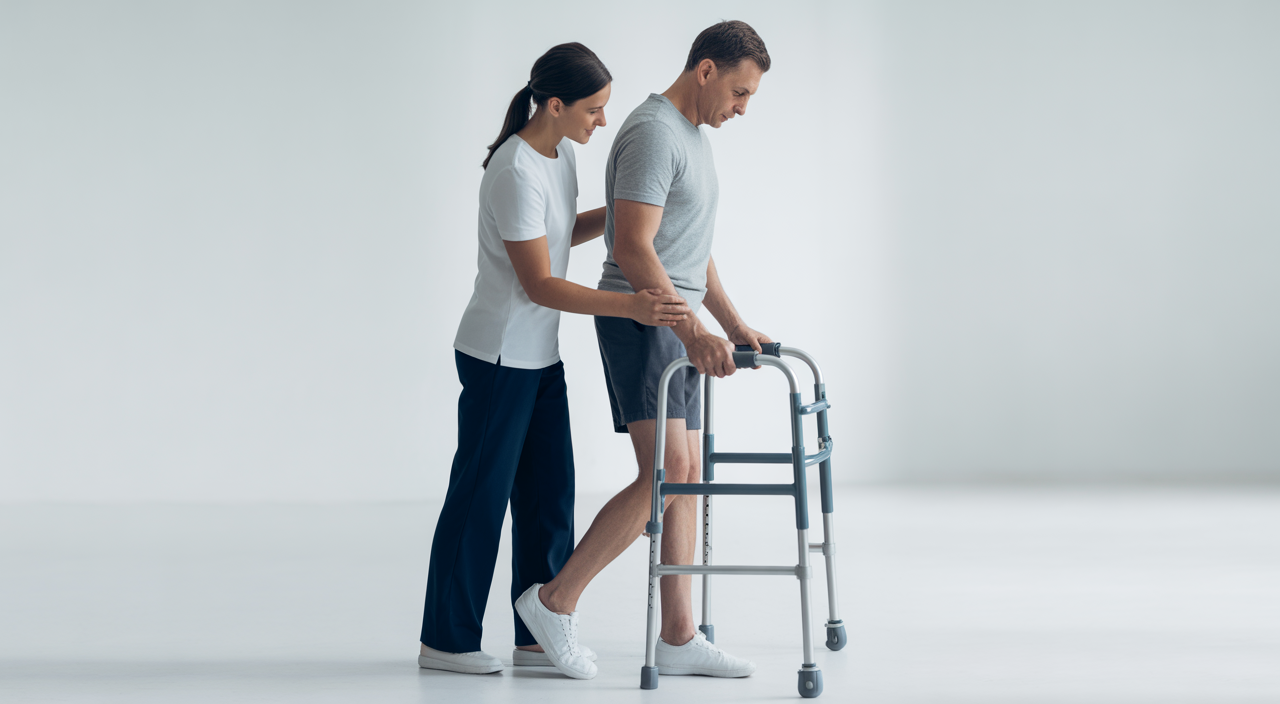
Physiotherapy often starts within 24 hours. A therapist will help you sit up, stand, and take a few steps with a walker. These short walks help prevent blood clots and speed up the hip surgery healing process.
By the end of week one, many patients can walk short distances with a walking aid and perform simple post-hip replacement exercises like ankle pumps and gentle leg movements while lying down.
Phase 2: Weeks 2 to 6 – Building a Strong Foundation
Once you are home, the focus shifts to daily self-care and regular exercises. This is when family support or a home caretaker becomes very helpful. Try to keep your home clutter-free so you can walk safely.
During this stage of hip replacement rehabilitation, you will work on:
- Walking longer distances with a walker or stick
- Climbing a few stairs slowly and safely
- Strengthening hip and thigh muscles with guided exercises
Most people see clear progress each week. Many can move from a walker to a walking stick by the end of week six, provided their doctor agrees.
Phase 3: Months 2 to 6 – Regaining Normal Life
From the second month, your confidence grows. Pain and stiffness continue to reduce, and your hip joint feels more stable. This is the time to focus on quality of movement, not just speed.
Your physiotherapist may add exercises such as:
- Side leg raises and gentle squats near a support
- Stationary cycling with low resistance
- Balance training, like standing on one leg with support
Many patients can resume light office work in 6 to 8 weeks, depending on hip replacement recovery time and travel distance. Those with physically demanding jobs might need 3 to 4 months or more.
Phase 4: After 6 Months – Long-Term Maintenance
After six months, most people enjoy a much better quality of life compared to before surgery. Pain is usually minimal, and walking becomes easy. Sticking to a simple exercise routine keeps your new joint working smoothly for years.
Good long-term activities include brisk walking, cycling, swimming, and gentle yoga. High-impact sports like running or jumping should be discussed with your surgeon first.
Key Exercises for Safe Hip Replacement Rehabilitation
Exercise is the heart of successful postoperative hip replacement care. Here are three simple groups of moves that doctors often recommend, especially in the first few months.
1. Range-of-motion exercises
- Ankle pumps to improve blood flow
- Heel slides where you bend and straighten your knee gently
- Hip abduction, moving the leg slightly out to the side while lying down
2. Strength-building exercises
- Quadriceps tightening by pressing the knee down into the bed
- Glute squeezes to activate your hip muscles
- Standing mini squats while holding a table or counter
3. Balance and functional training
- Standing on one leg with support to improve stability
- Step-ups on a low step to practice climbing stairs
- Slow, controlled sit-to-stand from a chair
Never start a new exercise without your doctor’s or physiotherapist’s approval, especially if you have heart issues, blood pressure problems, or osteoporosis.
Pain and Swelling: How to Stay Comfortable
Mild to moderate pain and swelling are normal during hip replacement recovery. Pain usually improves week by week, especially if you follow your medicine plan and do regular exercises.
To stay comfortable, you can:
- Use pain tablets exactly as your doctor advises
- Place an ice pack (wrapped in cloth) on the hip for 15 to 20 minutes
- Keep your leg slightly raised when resting
- Wear compression stockings if recommended
If pain suddenly increases, or if you feel warmth, redness, or fluid from the wound, contact your surgeon quickly.
Food, Sleep, and Lifestyle Tips for Faster Healing
Nutrition plays a big role in total hip arthroplasty recovery. Focus on simple, home-style meals rich in protein and vitamins. Good options include lentils, paneer, curd, eggs, nuts, seeds, vegetables, and fruits.
For better sleep, lie on your back with a pillow between your legs, or sleep on the non-operated side if your surgeon allows. Avoid very low chairs, deep sofas, and squatting positions until your doctor says it is safe.
Small lifestyle upgrades, like using a raised toilet seat or arranging your commonly used items at waist level, can make home care after hip replacement easier and safer.
Preventing Complications and Staying Safe
Complications after hip surgery are not common when patients follow instructions carefully. Still, it is important to know warning signs so you can act early.
Call your doctor if you notice:
- High fever or chills
- Redness, pus, or a foul smell from the wound
- Sudden shortness of breath or chest pain
- Severe calf pain or swelling in one leg
Your surgeon will also give you certain “do nots” to prevent hip dislocation. These often include not crossing your legs, not bending too far forward, and avoiding twisting movements of the leg in the first few months.
When Can You Drive, Work, and Travel Again?
Everyone wants to know when normal life can restart. While answers vary, many patients can follow these general timelines after their hip replacement recovery is going well and their doctor agrees.
- Driving: Often allowed after 4 to 6 weeks for the non-dominant leg, once you can brake quickly and are off strong pain medicines.
- Office work: Many return in 6 to 8 weeks if the commute is comfortable and sitting arrangements are supportive.
- Heavy physical work: May require 3 to 6 months, with a detailed fitness assessment.
- Train or flight travel: Usually possible in 6 to 8 weeks, with frequent leg stretches to avoid stiffness and clots.
Planning these timelines early can help with leave approvals, project handovers, and family arrangements. For more ideas on how rehabilitation services support long-term independence, you can explore this guide on occupational therapy benefits.
Practical Tips for Indian Patients and Families
For Indian investors and working professionals, planning around surgery includes money, schedules, and lifestyle. Consider buying health insurance that covers joint replacement well before you need it. Also set aside an emergency fund for physiotherapy and any extra tests.
If you work in a demanding job, discuss flexible timings or temporary work-from-home options with your employer. Investing in small comfort upgrades, like a good mattress or ergonomic chair, can also protect your joints and improve productivity, as shared in this overview of better hospital and patient management.
Most important, treat this surgery as a long-term investment in mobility. A strong, pain-free hip lets you work longer, travel more, and enjoy active years with your family.
FAQs on Hip Replacement Recovery
Q1: How long does it usually take to fully recover from hip replacement?
Most people feel much better by 3 months and can do regular daily activities without help. However, complete healing of muscles and soft tissues may take 6 to 12 months. Your exact hip replacement recovery time depends on age, fitness level, and how regularly you follow your exercise plan.
Q2: When can I sleep on my side after surgery?
Many surgeons allow side sleeping on the non-operated side after 3 to 6 weeks, with a pillow between the knees. Some may advise a longer wait, depending on your operation and bone quality. Always get clear instructions from your own doctor before changing sleep positions.
Q3: Are traditional floor-sitting and squatting safe after hip replacement?
In many Indian homes, floor activities are common, but they can stress a new hip. Some patients may return to limited floor sitting after a few months, while deep squatting is often discouraged. Discuss your cultural and lifestyle needs with your surgeon so they can guide you on safe limits.
Q4: Will I need physiotherapy for life?
You will need structured hip replacement physical therapy for a few months after surgery. After that, regular walking, simple home exercises, and an active lifestyle are usually enough. Short “refresher” sessions with a physiotherapist once or twice a year can help check your technique and posture.

Vilma Hahn is an Alaskan native who has been blogging about life in the most Northern state for over 10 years. As a freelance writer, Vilma has traveled extensively through Alaska, collecting stories and experiences to share on her blog. She shares stories about hiking and camping, visiting small towns, and outdoor adventures. Vilma loves to share her enthusiasm for life in Alaska and hopes to encourage people from all over the world to visit the 49th state.