


Do you know that the global flexible food packaging is going to grow to $200.5 billion by 2025? Yes, you read it right.
Over the years, however, more options have emerged in food packaging, but flexible packaging has skyrocketed in popularity. It’s not only beneficial for manufacturers but also for retailers and consumers as well. If you are in the food industry and not using this type of packaging, here are the 6 best reasons why you should start using it now.
6 Reasons Why You Should Consider Flexible Food Packaging
1. Consumers Love Flexible Food Packaging Designs
Flexible food packaging designs are super consumer-friendly. Customers love those easy-to-use zipper closure pouches, compact and reusable boxes, and stylish bottles. Flexible packaging is made with paper, aluminum foil, and film which makes them a lightweight shipping solution. Customers can use them easily while traveling or going on trips.
2. Flexible Packaging Keeps The Product Fresh
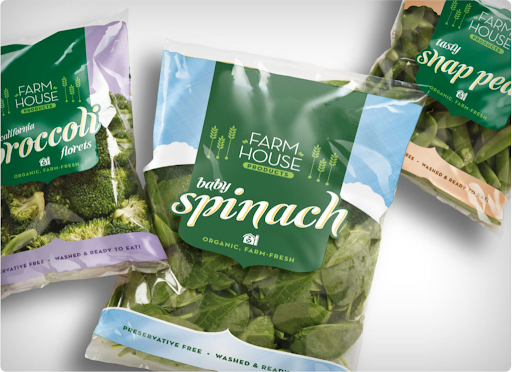
This is absolutely an essential reason – if your food quickly turns stale just because of your packaging, consumers will feel they have wasted their money. If they bite your products and find out it is not fresh, then they will never buy from you again. Stand-up pouches are air-tight and keep your food fresh and healthy for a long time. These laminated layers keep out oxygen which is crucial to ensuring the product is fresh and tasty.
3. Flexible Packaging Is Eco-friendly
One of the greatest features of flexible food packaging is it is healthy for the environment. Flexible materials produce less waste than the typical packaging. Plus, its production needs 85% less energy compared to the traditional ones. This means you are helping in cutting down carbon emissions and making the Earth a better place to live! Told you, it is healthy for the environment.
4. Consumers Are Willing to Pay More to Get Flexible Packaging
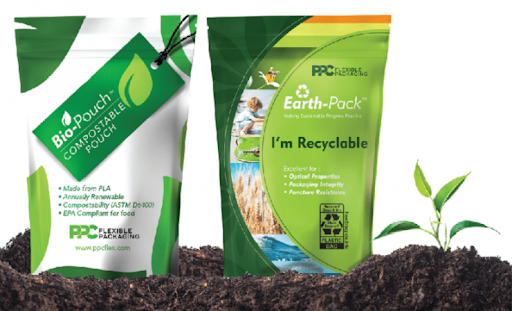
Because consumers like the features of flexible packaging, they are willing to pay more to get it. 71% of Americans say they would love to choose flexible packing products over non-flexible ones. And 50% are willing to pay a premium to get it.
[ Source ]
Don’t you think these are enough reasons why you should move to flexible food packaging? Well, there are more.
5. Flexible Food Packaging Has Lower Transportation Cost
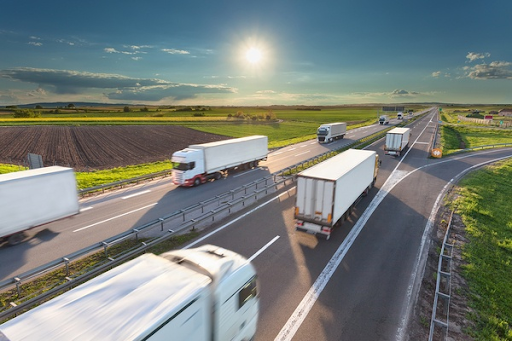
Because they are lighter, smaller, and compact, flexible food packaging food products are easy to ship and transport which makes shipping costs lower.
Smaller cargo loads also have less of an impact on the environment.
They help you to make your contribution to lower greenhouse gas emissions and lower carbon emissions.
Less transportation, lower freight costs, and cleaner air make everyone a winner in the long term.
6. Flexible Food Packaging Has Lower Production Costs
This is why brands love flexible food packaging ideas – they cost less to produce.
Unlike high-density polyethylene, you need lighter materials to produce them. This makes the same product delivered in less packaging than before.
Plus, these flexible packaging food products can stay for long and take less space on retail store shelves.
And this doesn’t stop here, recycling and waste-to-energy technology are being developed and innovated so that manufacturers can reuse these packaging materials.
Final Words
If you are new in the food industry and early adopters of flexible packaging or thinking about shifting to it, it’s clear that it is the future. Customers, retailers, and distributors love them.
With the popularity of flexible packaging, manufacturers and retailers also are confident about its future growth and customers will keep loving them. They are innovating more and more unique designs of the packaging. So, now it’s time to consider the benefits of it if you haven’t already.

Vilma Hahn is an Alaskan native who has been blogging about life in the most Northern state for over 10 years. As a freelance writer, Vilma has traveled extensively through Alaska, collecting stories and experiences to share on her blog. She shares stories about hiking and camping, visiting small towns, and outdoor adventures. Vilma loves to share her enthusiasm for life in Alaska and hopes to encourage people from all over the world to visit the 49th state.