

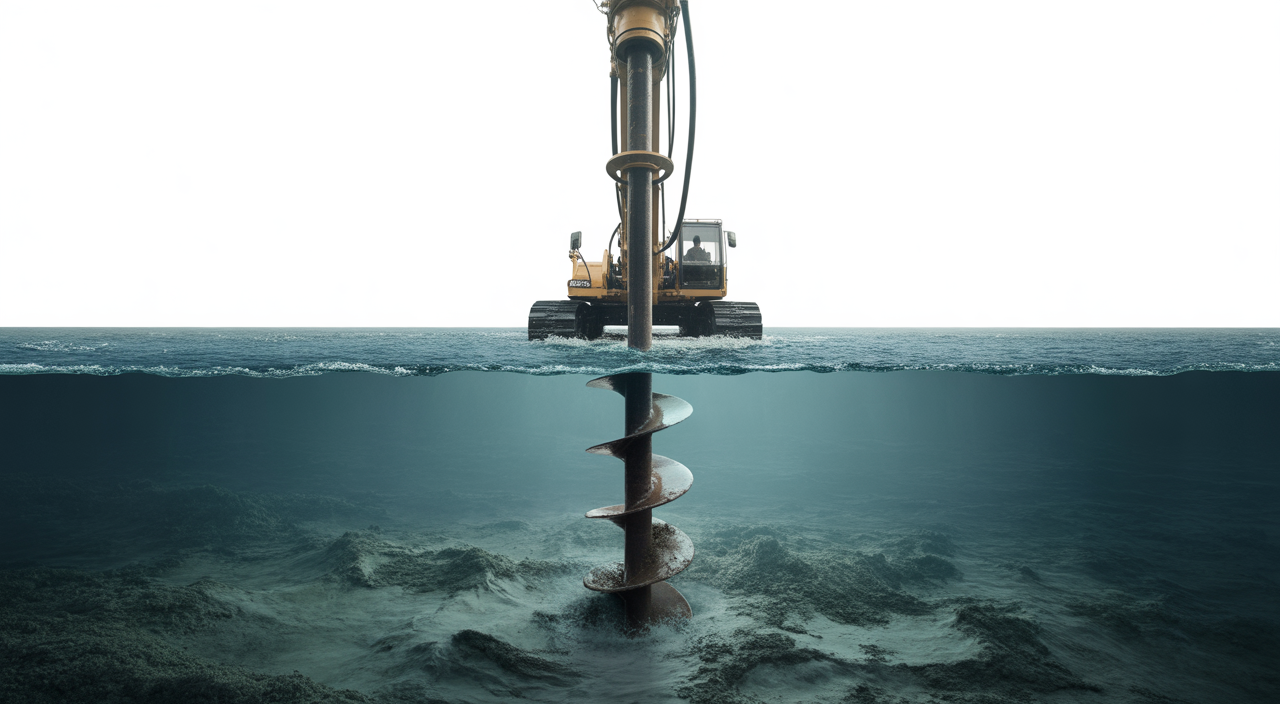
What makes an auger dredge different from other dredges?
Across India and worldwide, stricter water rules are pushing project owners to control turbidity, or water cloudiness, during dredging. For consultants, contractors, and municipal teams, this is no longer a “good to have”. It is a must for getting permits on time and keeping projects on budget.
This is where an auger dredge stands out. It is a hydraulic sediment removal system designed to cut and move material with very low disturbance to the surrounding water. Compared to common cutter suction dredges, it creates much less turbidity and gives you cleaner, more predictable results.
If you advise Indian investors, run environmental projects, or manage lake and river assets, understanding how auger dredges work helps you pick the right technology and improve your long-term returns.
What is an auger dredge and how does it work?
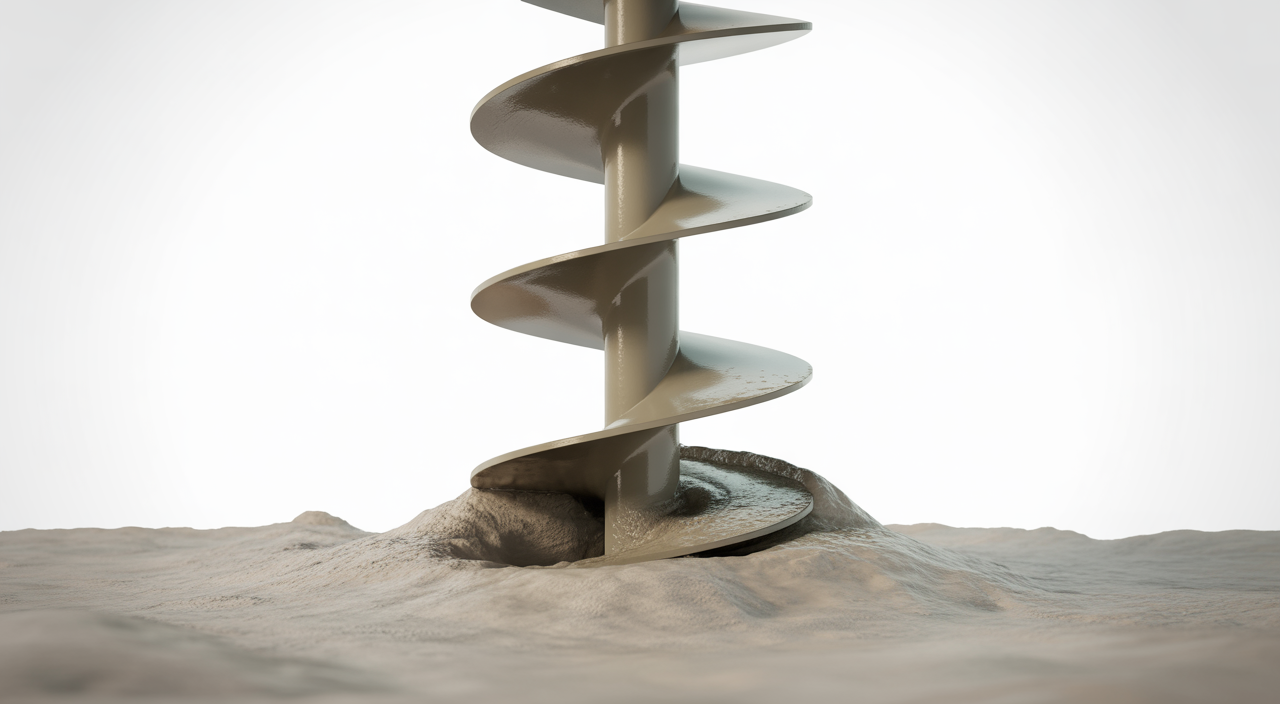
An auger dredge uses a horizontal rotating shaft fitted with spiral blades. Think of it as a giant underwater screw that gently cuts into the sediment bed. As it turns, it moves loosened material toward an intake point connected to a dredge pump.
The key components are simple to understand:
- Underwater auger head that cuts and feeds material in a controlled way
- Hydraulic pump that sends the slurry through a pipeline to shore
- Power unit (diesel or electric) that runs the pump and the auger
- Floating or modular hull that can be transported to remote sites
Because the auger encloses the cutting area and moves slowly, it reduces the chance of sediment being stirred up and floating away from the work zone.
Why does an auger dredge create less turbidity?
Turbidity is mainly caused when fine particles are lifted into the water column and stay suspended. Traditional cutter suction dredges can behave like underwater blenders. They cut in a wide, open area, so water can carry particles far from the dredge.
In contrast, hydraulic auger dredges focus on three ideas that keep turbidity low:
- Enclosed cutting zone where the spiral flighting surrounds the sediment and channels it directly into the suction mouth
- Lower tip speed so the sediment is sliced and drawn in, not thrown into the water
- Smooth flow into the pump, which reduces violent mixing of water and solids
Field tests in lakes and industrial ponds often show turbidity readings, measured in NTU (Nephelometric Turbidity Units), staying within strict permit limits just a few meters away from the dredging area. For Indian projects where regulators or lenders demand strong environmental performance, this low turbidity profile is a major advantage.
Where are auger dredges used most effectively?
Auger dredges shine wherever precision and water quality are top priorities. Some common uses include:
- Environmental remediation such as removing contaminated silt from lakes, rivers, and industrial lagoons without spreading pollutants
- Marina and harbour maintenance where boat owners expect clear water and operations must continue during dredging
- Flood management channels where you need to restore depth while keeping downstream drinking water intakes safe
- Industrial ponds and tailings where turbidity limits may be tied to plant discharge permits
For investors, these are long-term, recurring markets, which makes auger dredge technology attractive when planning capital allocations.
How should Indian buyers choose the right auger dredge model?
Before you look at price tags, it helps to map your technical needs clearly. Key points to evaluate include:
- Depth and reach – What is the maximum water depth and required cutting width? Deeper or wider areas may call for larger auger heads and stronger ladders.
- Material type – Soft silt and fine sand are very suitable for auger systems. Sticky clay or gravel may need more power and tougher flighting.
- Production rate – Estimate how many cubic meters per day you must remove to finish on schedule. This drives pump size and pipeline diameter.
- Power source – Diesel units offer mobility in remote areas, while electric units can be cleaner and cheaper to run where grid power is available.
For Indian contractors serving many small water bodies, a portable, trailerable machine is often best. Larger port or river projects may justify a higher capacity unit with extended reach and automation features like GPS positioning.
Cost, ROI, and turbidity savings
The upfront auger dredge price is only one part of the story. When you compare it with traditional dredging methods, you should also look at:
- Permit and monitoring costs – Low turbidity may reduce the need for costly silt curtains or complex mitigation plans.
- Project delays – Clean water performance helps you avoid shutdowns triggered by turbidity alarms.
- Re-handling of material – Precise control means you remove just the required layer of sediment, not extra clean material that then needs replacement.
Indian investors who think in lifecycle terms often see strong returns when they factor in fewer regulatory issues and smoother project execution.
Maintenance and best practices for long life
Maintenance on an auger dredge is straightforward if you follow a consistent routine. A simple checklist can include:
- Daily checks of hydraulic lines, oil levels, and filters
- Regular inspection of auger blades and wear shoes for damage or bending
- Monitoring pump performance and replacing liners or impellers when wear reduces output
- Cleaning sensors and control panels to avoid false readings or shutdowns
Good training for operators is crucial. A skilled operator can keep turbidity low by controlling ladder depth, swing speed, and pump rate. For more ideas on improving operational efficiency, you can review guidance such as step-by-step selection and maintenance guides that show how structured checklists reduce long-term costs in many industries.
Staying compliant with environmental standards
Most water quality rules, including those in India, focus on suspended solids and turbidity. Regulators may set NTU limits at various distances downstream from the dredging area. Auger systems make it easier to stay within these limits by concentrating disturbance very close to the head.
To keep compliance simple and transparent:
- Place turbidity meters at agreed monitoring points and log readings regularly
- Record dredging rate, location, and water conditions alongside turbidity data
- Share clear summary reports with regulators, lenders, and local communities
This kind of disciplined reporting not only protects your permits, it also builds trust and can support future bids for similar low-impact dredging work.
FAQs on auger dredges
Q1. What depth can an auger dredge work in?
Most commercial auger dredges are designed for shallow to medium depths, typically up to about 6 to 9 meters, depending on the model. For Indian rivers, lakes, and industrial ponds, this range is usually more than enough. If your project is deeper, you can discuss extended ladder options or multi-stage approaches with your supplier.
Q2. Can an auger dredge handle both clay and sand?
Yes, but performance will differ by material. Fine silt and sand move very efficiently with an auger system. For stiff clay, you may need a higher power unit, stronger blades, and a slower swing speed. A small test cut at your site is a smart way to confirm production rates before committing to a full-scale program.
Q3. Is training complicated for new auger dredge operators?
Training is usually straightforward because controls are simple and repeatable. Operators learn how to set depth, manage swing, and adjust pump output. Many suppliers provide start-up training, manuals, and remote support. With a few days of guided practice, most crews reach a productive and safe level of operation.
When you add it all together, an auger dredge offers a powerful mix of low turbidity, precise sediment removal, and strong compliance benefits. For Indian stakeholders who need both performance and environmental responsibility, it is a technology worth serious consideration.

Vilma Hahn is an Alaskan native who has been blogging about life in the most Northern state for over 10 years. As a freelance writer, Vilma has traveled extensively through Alaska, collecting stories and experiences to share on her blog. She shares stories about hiking and camping, visiting small towns, and outdoor adventures. Vilma loves to share her enthusiasm for life in Alaska and hopes to encourage people from all over the world to visit the 49th state.