

Across India, fuel retail, storage terminals and industrial plants are under growing pressure to cut air pollution and meet stricter rules. One of the smartest tools to achieve this is a vapor recovery system. It not only helps you stay compliant but can also turn lost fuel vapors into extra revenue.
This guide explains what these systems are, how they work in simple terms, and how Indian investors, fuel station owners and plant managers can use them to improve margins while protecting the environment.
We will cover different types of systems, typical costs and savings, and practical tips to choose and maintain the right solution for your site.
What Is a Vapor Recovery System?
Whenever petrol or other hydrocarbons are stored or handled, some of it evaporates into the air. These vapors are called volatile organic compounds, or VOCs. They contribute to smog and can be harmful if people breathe them regularly.
A vapor recovery system is a set of equipment that captures these fuel vapors before they escape. It then either returns them to the fuel tank as liquid or sends them for safe treatment. In short, it reduces losses, controls emissions and improves safety on site.
For Indian businesses, this means less product loss, better air quality for workers and customers, and smoother audits with regulators.
Key Types: Stage I, Stage II and VRU
In fuel handling, you will commonly hear three terms: Stage I vapor recovery, Stage II vapor recovery and Vapor Recovery Unit (VRU). Each works at a different point in the fuel chain.
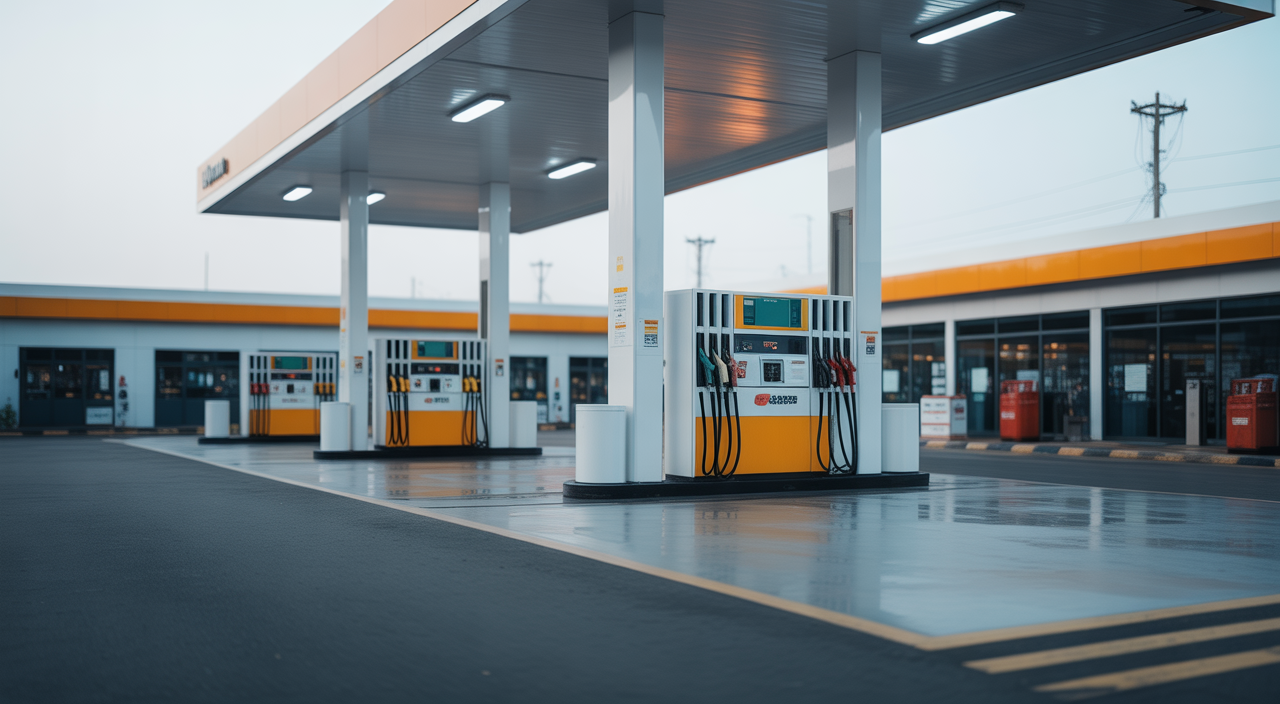
- Stage I vapor recovery: Used when a tanker truck delivers fuel to an underground or above-ground storage tank. As liquid fuel flows in, vapors in the tank are pushed out. Stage I systems collect these vapors and send them back to the tanker or to a recovery line.
- Stage II vapor recovery: Used at the fuel dispenser when a customer refuels a vehicle. As fuel goes into the vehicle tank, vapors are pushed out. Stage II equipment on the nozzle captures these vapors and returns them to the station’s storage tank.
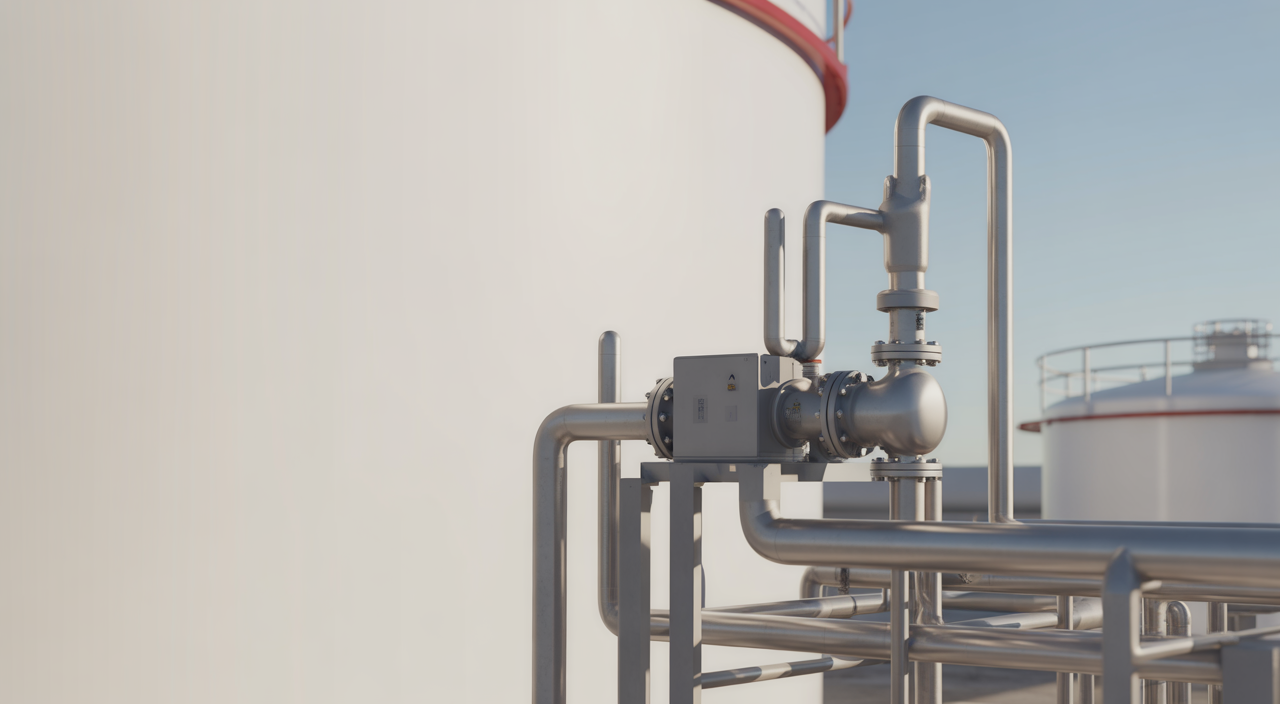
- Vapor Recovery Unit (VRU): A larger system, often installed at terminals or big depots. It collects vapors from multiple tanks and uses technology such as absorption, adsorption, or condensation to turn the vapors back into liquid fuel.
Together, these technologies form a complete fuel vapor capture solution across the supply chain, from terminal to retail outlet.
Why These Systems Matter in India
Indian cities are focusing more on air quality, fuel efficiency and health. Fuel vapors are a hidden but important source of emissions. By installing a gasoline vapor recovery system, operators take a strong step toward cleaner operations.
Benefits include healthier working conditions, higher safety standards and a stronger brand image as a responsible, modern business. This can be a big plus when bidding for contracts or seeking funding.
How a Vapor Recovery System Works in Simple Steps
Though designs vary, most systems follow a basic flow.
- Collection: Vapors are drawn from tanks, loading arms or nozzles through sealed pipes.
- Processing: The vapor mixture passes through a special unit that separates hydrocarbons from air. This can use carbon beds, cooling units or special liquids that “soak up” hydrocarbons.
- Recovery: The captured hydrocarbons are turned back into liquid fuel and sent to a storage tank.
- Clean exhaust: Remaining gas, now with very low hydrocarbon content, is safely released or further treated if needed.
The result is a strong cut in hydrocarbon emissions and a measurable gain in recovered fuel.
Cost, Savings and Payback for Indian Investors
For many owners, the main question is: “What is the payback period?” A modern fuel vapor capture technology solution has two main cost parts: capital cost to buy and install the system, and operating cost for electricity, maintenance and consumables.
The savings come from two sides. First, you recover fuel that would otherwise evaporate. Over time, this recovered product can be significant, especially at high-throughput sites. Second, you reduce the risk of penalties and unplanned upgrades linked to emission rules.
In many global examples, the payback period for a well-designed system is between 1 to 3 years, depending on fuel volume and local prices. High-volume Indian fuel stations and terminals often see faster returns.
Choosing the Right Solution for Your Site
Every location is different, so selection should be structured. Here are key factors to review before investing in a vapor recovery system.
- Fuel throughput: Higher daily or monthly volume usually supports a larger system with faster payback.
- Site layout: Space for equipment, distance between tanks and dispensers, and ease of routing pipes all affect design.
- Local regulations: Check state pollution control board rules and any specific norms around VOC control.
- Future growth: If you plan to add more dispensers or tanks, size the system with that in mind.
- Maintenance support: Choose technology that your team, or a local service provider, can maintain reliably.
It helps to work with a specialist who can run a simple cost–benefit model, similar to the detailed analysis in this guide on how to weigh costs and benefits before investing. Apply the same thinking to your emission control project.
Installation and Maintenance Best Practices
With good planning, installation can be smooth and low-disruption. For fuel stations, work is often scheduled during low-traffic hours to keep pumps running. Terminals may plan upgrades during routine shutdowns.
Key steps include a pre-installation survey, safety checks, leak testing and functional trials. Once operating, the system should follow a simple maintenance checklist, such as regular filter checks, inspection of seals and gaskets, calibration of sensors and periodic audits of recovered fuel volume.
Simple, consistent care keeps performance high and avoids unexpected downtime.
Regulations and Compliance Perspective
Globally, authorities use vapor recovery rules to cut VOC emissions from fuel handling. In India, emission standards and environmental approvals are tightening over time, especially near urban centers and sensitive zones.
By installing robust hydrocarbon emissions recovery solutions, you show clear intent toward compliance. This supports smoother inspections and long-term license security.
If you manage multiple facilities, it is helpful to treat vapor control like any other strategic project, similar to how firms plan their broader infrastructure investments explained in this overview of planning and executing technical upgrades.
FAQs on Vapor Recovery Systems for Indian Fuel Operators
Q1. Is a vapor recovery system only for large terminals, or should small fuel stations also consider it?
Even a single fuel station can benefit, especially if it has high turnover or is in a busy urban area. Smaller systems are available that fit compact layouts and modest budgets. When you factor in recovered fuel and smoother regulatory compliance, many small and mid-size outlets see attractive returns.
Q2. How often does a system need maintenance, and will it disrupt daily operations?
Routine checks are usually scheduled monthly or quarterly, depending on throughput and design. Most tasks are quick, like inspecting connections, reading gauges and cleaning filters. With a good plan, maintenance is done in off-peak hours and does not disturb fueling operations.
Q3. Can existing fuel stations and depots be retrofitted, or is this only for new projects?
Most existing sites can be retrofitted. Engineers will survey your current tanks, piping and dispensers, then design a solution that fits within your layout. In many cases, you can phase the work to keep business running while gradually adding vapor control capability.

Vilma Hahn is an Alaskan native who has been blogging about life in the most Northern state for over 10 years. As a freelance writer, Vilma has traveled extensively through Alaska, collecting stories and experiences to share on her blog. She shares stories about hiking and camping, visiting small towns, and outdoor adventures. Vilma loves to share her enthusiasm for life in Alaska and hopes to encourage people from all over the world to visit the 49th state.