

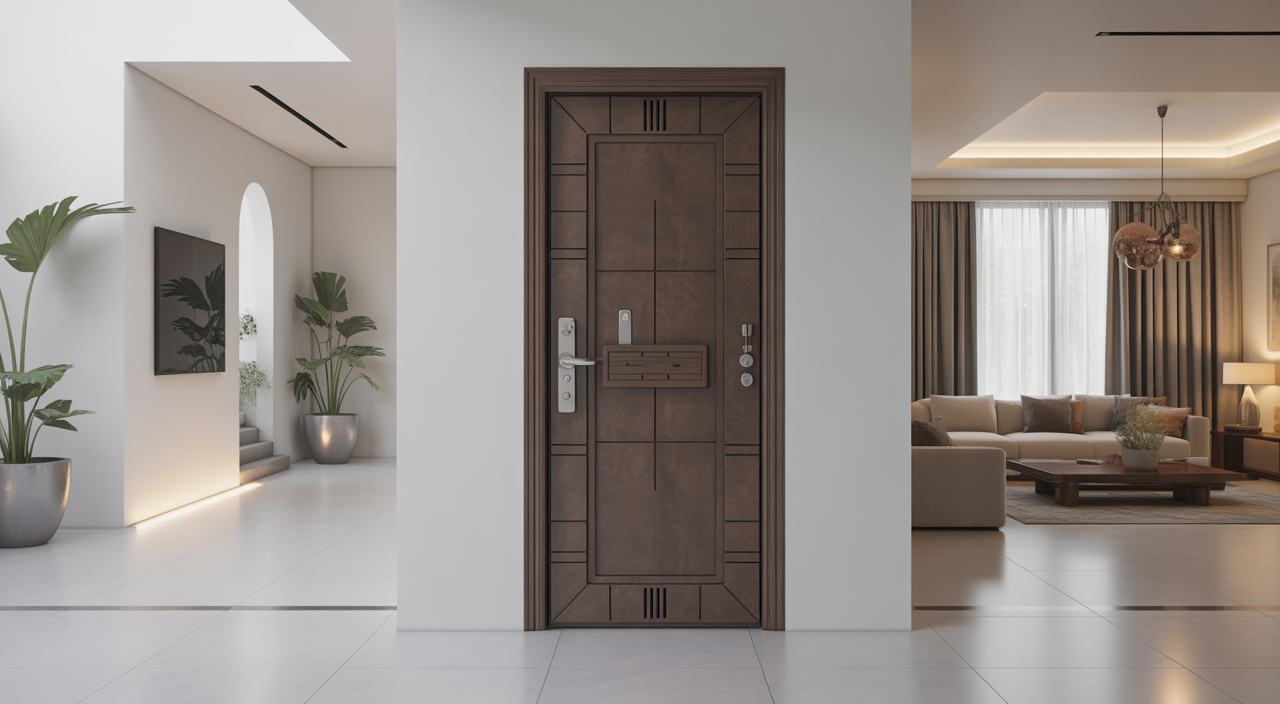
Many Indian families are now asking a serious question: should we invest in a safe room at home? With rising concerns about security, extreme weather in some regions and growing wealth, the idea feels less like a movie scene and more like a practical plan. Well-designed residential safe rooms can give your family a private, secure space inside your own house.
This guide walks you through what these rooms are, how to plan one, what kind of doors you should choose and how much you might expect to spend. The focus is on clear, simple steps so you can decide if this upgrade fits your lifestyle and long-term financial goals.
Think of it as a smart safety investment, similar to health insurance or a strong home security system. It protects what matters most, while also adding confidence and value to your property.
What Exactly Is a Residential Safe Room?
A safe room is a hardened space inside your home designed to protect you during emergencies. It can be a converted bedroom, a part of your basement, a walk-in wardrobe or even a reinforced study room. The key is that its walls, ceiling and especially the door are built to resist forced entry and, where needed, certain types of impact.
In simple terms, it is a secure box inside your house. When there is a threat, your family steps in, closes the door and waits safely until the situation is under control. For many Indian investors, this becomes a core part of a broader home security and risk management plan.
Why Indian Homeowners Are Considering Safe Rooms
Every city and region in India has its own challenges. Some areas worry about burglary and home intrusion. Others see more political tension or social unrest. High-net-worth families may also face special security risks due to their visibility.
Safe rooms help in several situations:
- Burglary or home invasion, especially at night
- Riots or unrest near your neighbourhood
- Targeted threats against business owners or public figures
- Storing high-value items like jewellery or critical documents
For many families, the biggest benefit is peace of mind. You know there is a clear, practised plan for your loved ones if something unexpected happens.
The Safe Room Door: Your First Priority
You can think of your safe room as a chain, and the door is the strongest link. Even if the walls are solid, a weak door makes the whole room vulnerable. That is why experts advise starting with the right door and then planning around it.
Key things to look for in a safe room door include:
- Material: Heavy-gauge steel or other armored materials are preferred.
- Core design: Multi-layered cores improve resistance to impact and cutting tools.
- Frame strength: A strong frame, tightly anchored into concrete or brick, is critical.
- Locking system: Multiple locking points and secure hinges prevent forced opening.
Good residential safe rooms always start with a thoughtfully chosen, high-quality door. Once that is fixed, you can add layers of protection inside the room.
Types of Safe Room Doors You Can Choose
Depending on your risk level and budget, you can consider different performance levels for your door.
- Intrusion-resistant doors: Designed to stop or delay break-ins using common tools.
- Ballistic-rated doors: Built to slow or resist certain firearm threats, useful for very high-risk individuals.
- Storm-rated doors: Relevant for homes in areas with cyclones or very high winds.
- Hybrid doors: Combine intrusion, storm and sometimes ballistic ratings in one unit.
Many homeowners also choose concealed or discreet designs so the door looks like a regular bedroom or wardrobe door. This keeps the safe room low-profile and blends with interior décor.
Planning a Safe Room in an Indian Home
You do not need a huge bungalow to plan a safe room. Even a flat or duplex can usually accommodate one with smart planning.
Consider these points:
- Location: Ideally near the bedrooms so your family can reach it quickly at night.
- Structure: A room with solid brick or concrete walls is easier to reinforce.
- Access: One main armored entry door, with the option of an emergency exit if your layout allows.
- Ventilation: Secure vents or filtered air systems keep the room comfortable.
You may find it helpful to read about general home safety upgrades, such as using panels to strengthen your walls, before finalising your plan.
Cost Overview: How Much Might You Spend?
Costs will vary across Indian cities and based on your specifications, but here is a simple way to think about it:
- Door only: The armored door is usually the single biggest expense.
- Room reinforcement: Extra steel, concrete, or specialized panels for walls and ceilings.
- Locks and tech: Electronic locks, biometric access, CCTV integration and alarms.
- Finishing: Paint, paneling, lighting and basic interiors.
When you compare these costs to other lifestyle spends, such as luxury vehicles or overseas holidays, many investors see a safe room as a one-time family safety asset that remains useful for years.
Design & Comfort: A Safe Room That Feels Like Home
A well-planned safe room does not need to feel like a bunker. It can be a normal part of your home that also has a security role when required.
Popular ideas include:
- Using the safe room as a study, home office or kids’ playroom during normal days.
- Matching door finish and handles with your existing doors.
- Adding comfortable seating, charging points and storage cabinets.
- Keeping snacks, water, medicines and a small emergency kit inside.
This way you are not paying for a space that stays unused. You turn it into a smart multi-purpose room with an added layer of security.
Maintenance & Long-Term Care
Safe rooms do not demand heavy maintenance, but a few small habits keep them ready at all times.
- Check the door locks and hinges every few months.
- Test electronic locks and backup batteries.
- Review your emergency kit and replace expired items.
- Update access codes and share them only with trusted family members.
Just like a car or inverter, regular light checks ensure your safe room performs well if you ever need it.
How Safe Rooms Fit Into a Wider Security Strategy
For Indian investors, a safe room is often part of an entire security ecosystem, which may include CCTV, perimeter walls, guards and alarm systems. It gives you a final layer of safety even if every outer layer is bypassed.
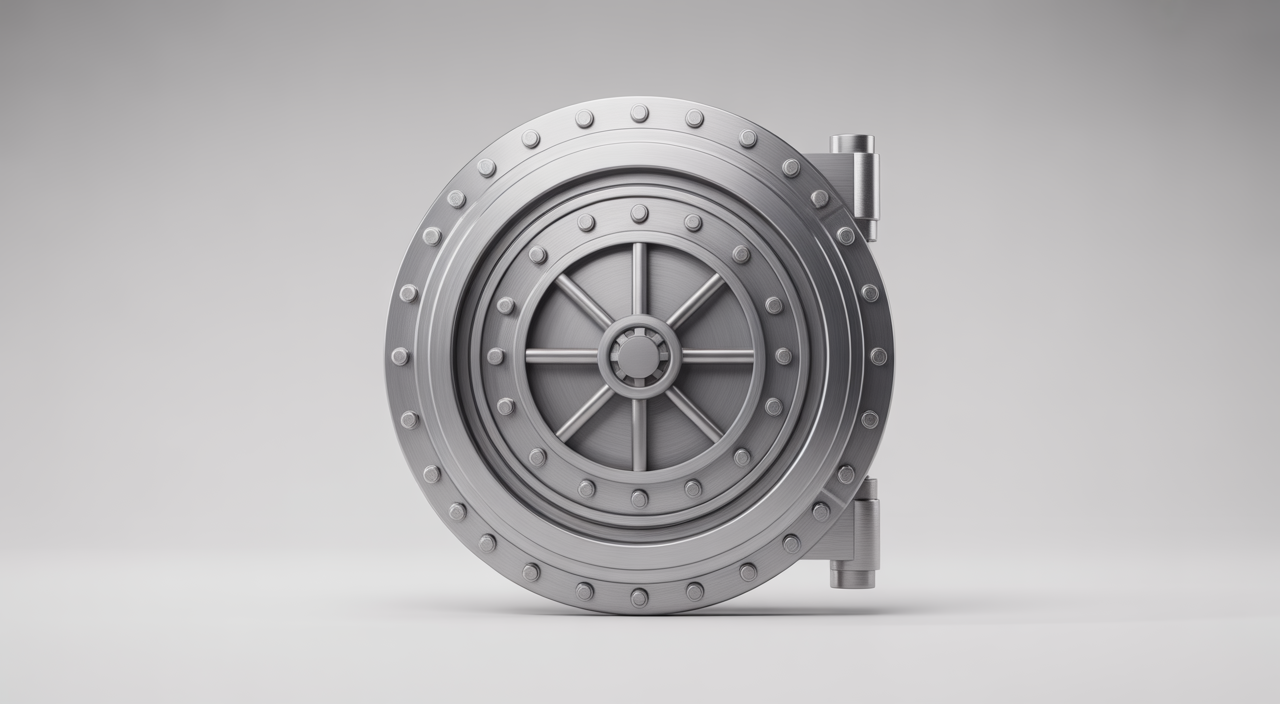
If you are already working on advanced home upgrades, such as improved doors, windows and automation, exploring residential safe rooms is a natural next step. You can also study broader property protection strategies, similar to those discussed in guides on high-security vault-style doors, and adapt the ideas to your own home.
FAQs About Residential Safe Rooms in India
Q1. Can I convert an existing room into a safe room, or do I need new construction?
You can do either. Many families convert an existing bedroom, walk-in wardrobe or store room by reinforcing the walls and installing a strong armored door. If you are building a new house, it is even easier and usually more cost-effective to include the safe room in the original plan.
Q2. Will a residential safe room make my home look like a fortress?
Not if it is designed well. Modern safe room doors and panels can be finished to look like regular doors and walls. You can match colours, textures and hardware to your current décor, so guests may not even realise there is a secure room unless you tell them.
Q3. Is a safe room useful if I already have CCTV and guards?
Yes, it plays a different role. CCTV and guards help detect and deter threats outside. A safe room protects you even if an intruder gets inside the house or if outside support is delayed. Think of it as your last line of defence and a calm place to wait safely until help arrives.

Vilma Hahn is an Alaskan native who has been blogging about life in the most Northern state for over 10 years. As a freelance writer, Vilma has traveled extensively through Alaska, collecting stories and experiences to share on her blog. She shares stories about hiking and camping, visiting small towns, and outdoor adventures. Vilma loves to share her enthusiasm for life in Alaska and hopes to encourage people from all over the world to visit the 49th state.