

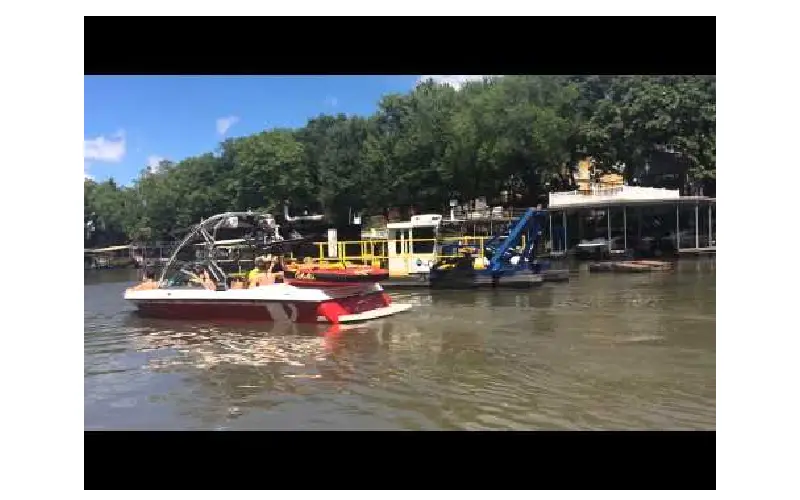
Water pollution is one of the most pressing environmental challenges of our time, affecting aquatic ecosystems, drinking water supplies, and overall human health. Lakes, being integral parts of the hydrological system, often serve as reservoirs for various pollutants, leading to deteriorating water quality and adverse impacts on biodiversity. One of the most effective methods for tackling this issue is through lake dredging, a process that can significantly contribute to water pollution mitigation. In this article, we’ll explore how lake dredging works, its role in improving water quality, and its environmental benefits.
Understanding Lake Dredging
Lake dredge is a process that involves the removal of sediment, organic matter, and pollutants from the bottom of a lake. Over time, lakes accumulate layers of sediment, which can trap harmful substances like heavy metals, organic waste, and nutrients. These sediments can become sources of pollution themselves, exacerbating the problem of water contamination. Dredging aims to excavate these sediments, improve water circulation, and restore the lake’s natural ecosystem. There are different types of dredging techniques, including mechanical dredging, hydraulic dredging, and suction dredging. The choice of method depends on the specific conditions of the lake, the type of contaminants present, and the scale of the dredging operation.
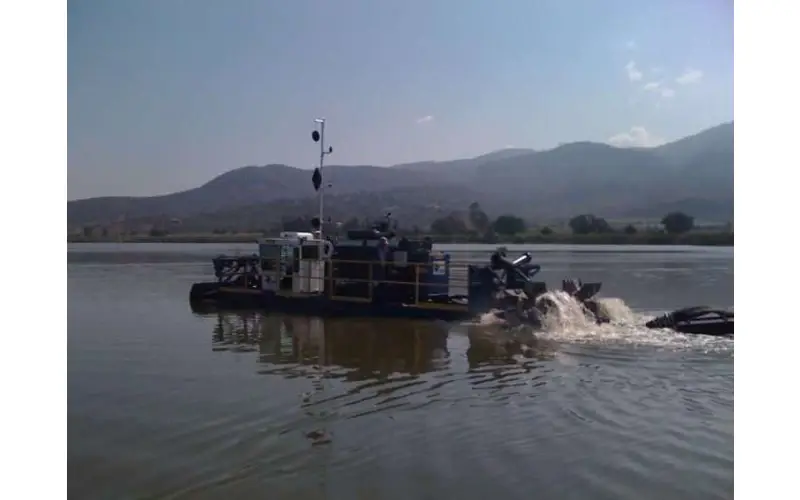
How Lake Dredging Reduces Water Pollution?
1. Removal of Contaminated Sediments
The primary goal of lake dredging is to eliminate contaminated sediments that have accumulated on the lakebed over time. These sediments often contain harmful pollutants, such as:
- Heavy Metals: Chemicals like lead, mercury, and arsenic, which can leach into the water, posing a significant threat to aquatic life and human health.
- Nutrients: Excess nutrients, primarily nitrogen and phosphorus, are a leading cause of eutrophication in lakes. They can cause algal blooms, oxygen depletion, and a decline in water quality.
- Organic Waste: Decomposing organic matter can contribute to high levels of bacteria and toxins, further deteriorating water quality.
By dredging the lakebed, these harmful substances are removed, reducing the sources of pollution that continue to leach into the water. The dredging process effectively interrupts the cycle of contamination, allowing the lake to recover from the pollution burden it has endured.
2. Restoring Natural Water Circulation
Sediments that accumulate at the bottom of lakes can disrupt natural water circulation, leading to stagnant water in certain areas. Stagnation often results in the concentration of pollutants in these pockets, worsening the overall water quality. Lake dredging helps restore natural water flow by removing the sediment that obstructs the circulation. This restoration of proper water movement helps to:
- Improve Oxygen Levels: Dredging encourages the mixing of surface and bottom water layers, which aids in the distribution of oxygen throughout the lake. Adequate oxygen levels are crucial for sustaining aquatic life, especially fish and other oxygen-dependent organisms.
- Prevent Algal Blooms: Proper circulation of water can help prevent the accumulation of excess nutrients, reducing the likelihood of harmful algal blooms that can deplete oxygen levels and release toxins.
3. Reduction of Eutrophication and Algal Blooms
Eutrophication, often caused by nutrient pollution from agricultural runoff, sewage, and urban waste, is a serious concern for many lakes. High concentrations of nitrogen and phosphorus can trigger excessive plant growth, particularly algae, leading to algal blooms. These blooms can block sunlight from reaching deeper waters and create “dead zones” where oxygen levels are too low to support aquatic life.
Lake dredging helps mitigate eutrophication by removing nutrient-rich sediments from the lakebed. By reducing the amount of available nutrients, the dredging process helps lower the likelihood of algae overgrowth, thereby improving the water quality and restoring a balanced ecosystem.
4. Enhancing Water Clarity
One of the most visible benefits of lake dredging is the improvement in water clarity. Over time, sediments in lakes can become suspended in the water, making it murky and unappealing. High turbidity, or cloudiness of water, is often a sign of contamination, as it can indicate the presence of suspended pollutants, such as algae, dirt, and organic debris.
By removing excess sediment and pollutants from the lakebed, dredging helps to improve water clarity. Clearer water not only enhances the aesthetic value of the lake but also improves the habitat for aquatic plants and animals, ensuring they can thrive in a healthy environment.
Environmental Benefits Of Lake Dredging
1. Restoration of Aquatic Habitats
Sediment accumulation in lakes can smother the habitats of aquatic plants and animals, leading to a decline in biodiversity. Lake dredging helps restore these habitats by removing excess sediment, which allows the lake’s natural ecosystem to recover. As a result, aquatic species that depend on healthy habitats, such as fish, invertebrates, and water plants, can return and thrive in the area.
2. Improved Quality of Drinking Water
Lakes often serve as sources of drinking water for nearby communities. When a lake becomes polluted, it can compromise the quality of drinking water, leading to health risks for residents. By removing pollutants through lake dredging, water treatment processes are made more efficient, and the risk of waterborne diseases is reduced. Cleaner water can also reduce the need for costly water treatment methods, which benefits both the environment and local economies.
3. Rehabilitation of Aesthetically Pleasing Areas
Lakes are often a central feature of recreational and tourism areas. Pollution, including murky water and unpleasant odors from decaying organic matter, can drive people away from these areas. Dredging helps to rejuvenate lakes, making them more attractive to visitors, which can stimulate local economies through tourism and recreational activities. In many cases, the aesthetic improvement resulting from dredging can lead to increased property values in the surrounding areas.
4. Mitigating Flooding Risks
Excess sediment buildup in lakes can reduce the lake’s storage capacity, leading to higher risks of flooding during periods of heavy rainfall. By removing sediment through dredging, the lake’s capacity to store water is restored, helping to reduce the risk of flooding downstream. This flood mitigation effect is particularly important in urban areas where floods can cause significant damage to infrastructure and communities.
Challenges And Considerations In Lake Dredging
While lake dredging offers numerous environmental and ecological benefits, it is not without its challenges. The process can be costly and time-consuming, requiring careful planning and consideration of the following factors:
- Environmental Impact: Dredging must be done carefully to avoid disrupting the natural habitat of aquatic species. The disturbed sediments can sometimes release trapped pollutants back into the water if not handled properly.
- Disposal of Dredged Materials: Proper disposal of the dredged sediments is essential to prevent further pollution. The removed material may need to be treated or transported to appropriate disposal sites to ensure that it doesn’t contaminate other areas.
- Regulatory Approvals: Dredging operations often require permits and approvals from environmental agencies. The impact of dredging on the surrounding environment must be assessed before work can begin.
Conclusion
Lake dredging plays a vital role in mitigating water pollution and restoring the health of aquatic ecosystems. By removing contaminated sediments, improving water circulation, and reducing nutrient levels, dredging helps to restore balance to lakes, improving water quality and supporting biodiversity. While the process comes with its challenges, the long-term environmental benefits far outweigh the initial investment, making it an essential tool in the fight against water pollution. Whether it’s enhancing the quality of drinking water, restoring aquatic habitats, or preventing algal blooms, lake dredging is a critical solution for healthier, cleaner lakes and waterways.

Janette Murphy, a passionate blogger residing in the United States, blends her love for business, technology, and travel into captivating content. With a keen eye for detail and a knack for storytelling, she navigates the digital world, sharing insights and experiences. Follow Janette’s adventures as she explores the intersection of innovation, entrepreneurship, and wanderlust.