

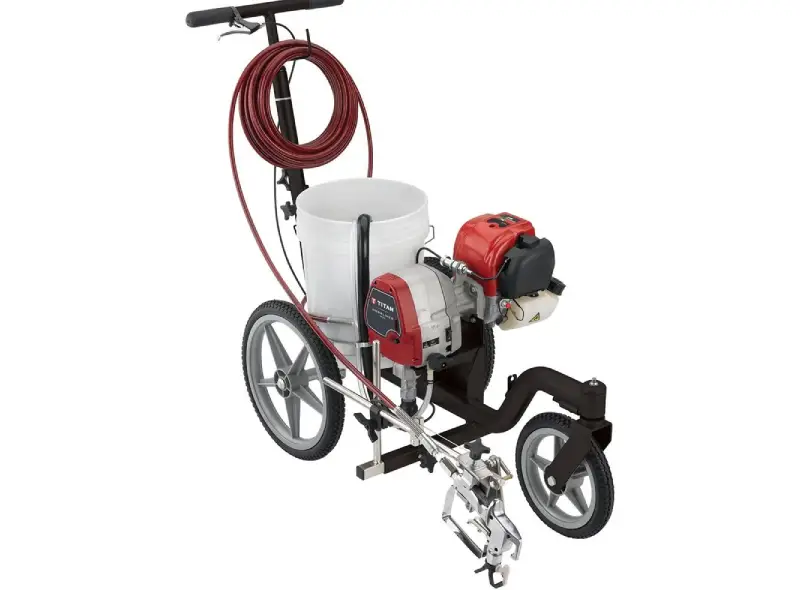
Line painting machines are essential for creating clear, precise markings on roads, parking lots, sports fields, and industrial spaces. These machines represent a significant investment, making proper maintenance crucial for maximizing their lifespan and efficiency. Regular maintenance not only extends the durability of line painting machines but also ensures consistent performance and minimizes costly repairs. This guide provides valuable insights into how to maintain your line painting machines effectively, keeping them in top condition for years to come.
Understanding The Importance Of Maintenance For Line Painting Machines
Neglecting maintenance can lead to inefficient performance, frequent breakdowns, and reduced lifespan. Over Line painting machines and mechanical wear can compromise the machine’s functionality. Proper maintenance enhances precision, prevents unexpected downtime, and ensures that the machine operates smoothly in demanding environments. By implementing a structured maintenance routine, users can significantly reduce operational costs and maintain high-quality line markings.
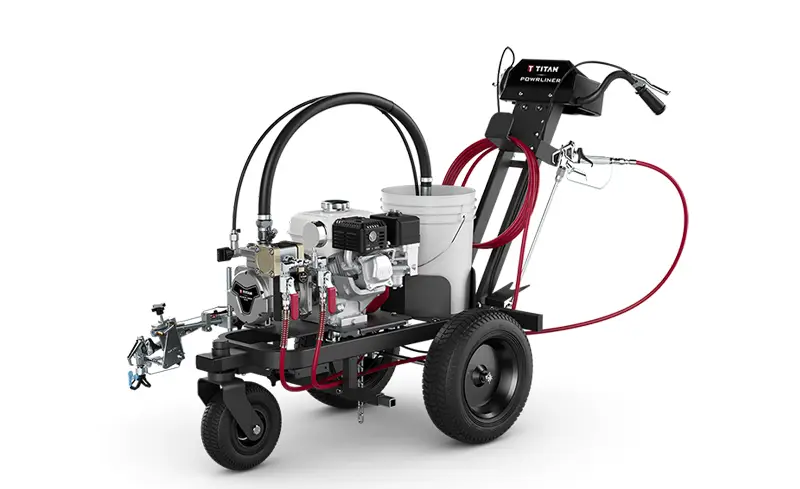
Daily Cleaning And Inspection
One of the most critical aspects of maintaining line painting machines is daily cleaning and inspection. After each use, thoroughly clean all components to prevent paint residue buildup. Paint can harden inside the machine, leading to clogged nozzles and uneven spraying. Use appropriate cleaning solutions to flush out residual paint and ensure that hoses, tanks, and spray tips are free from obstructions.
Additionally, inspect key components such as hoses, filters, and nozzles for wear and tear. Check for leaks, cracks, or signs of damage that could affect performance. Addressing minor issues early can prevent major breakdowns and extend the longevity of the machine.
Proper Storage Practices
Storing line painting machines correctly is essential for maintaining their condition. Exposure to extreme temperatures, moisture, and direct sunlight can cause deterioration over time. When the machine is not in use, store it in a dry, climate-controlled environment to prevent rust, corrosion, and component degradation.
If the machine will be out of service for an extended period, apply a protective coating to metal parts and empty any remaining paint from the system. Covering the machine with a protective tarp can shield it from dust and environmental damage, keeping it ready for future use.
Lubrication And Mechanical Maintenance
Regular lubrication is vital for the smooth operation of line painting machines. Moving parts, including pistons, valves, and bearings, should be lubricated to reduce friction and wear. Use manufacturer-recommended lubricants to ensure compatibility and effectiveness.
In addition to lubrication, inspect belts, gears, and other mechanical components for signs of wear. Replace worn-out parts as needed to maintain optimal performance. Periodic tightening of loose bolts and fasteners prevents unnecessary vibrations and mechanical failures, keeping the machine stable during operation.
Nozzle And Spray Tip Maintenance
The quality of line markings depends largely on the condition of the nozzles and spray tips. Over time, these components can become clogged with dried paint, leading to inconsistent spray patterns and inefficient performance. To prevent this, regularly clean and inspect spray tips for blockages or wear.
If a nozzle becomes clogged, use a specialized cleaning solution or a soft brush to clear the obstruction. Avoid using sharp objects that could damage the nozzle. Replacing worn-out or damaged spray tips ensures uniform line thickness and precision in application, maintaining the professional quality of line markings.
Checking The Paint System
The paint system is the core of any line painting machine, and keeping it in good condition is essential for smooth operation. Regularly check the paint supply lines, filters, and pump systems for blockages or leaks. If paint flow appears inconsistent, inspect and clean the filters to ensure proper circulation.
Using high-quality paint that matches the machine’s specifications also prevents issues related to viscosity and drying time. Avoid using expired or low-grade paint, as it can cause clogging and reduce efficiency. Mixing paint thoroughly before application ensures a consistent and smooth flow through the system.
Calibration And Alignment
Proper calibration and alignment play a crucial role in maintaining accuracy in line painting. Over time, the alignment of the spray system may shift due to vibrations and continuous use. Regularly check and adjust the settings to ensure that lines are applied with the correct width and spacing.
Most modern line painting machines come with calibration guides, making it easier to adjust settings as needed. Conducting test sprays before each job helps identify any alignment issues and allows for fine-tuning, ensuring that lines remain precise and professional-looking.
Battery And Power System Care
For battery-operated line painting machines, keeping the battery in optimal condition is essential. Regularly check battery connections for corrosion and ensure that terminals are clean. Charge the battery according to the manufacturer’s recommendations to prevent overcharging or deep discharges, which can shorten battery life.
For gas-powered machines, maintaining the engine is equally important. Regularly check the fuel system, change oil as recommended, and inspect air filters to ensure proper airflow. Keeping the power system in good condition guarantees uninterrupted operation and enhances the machine’s longevity.
Seasonal Maintenance And Long-Term Care
Different seasons bring varying challenges for line painting machines. In colder months, freezing temperatures can cause residual paint to harden inside the system, leading to blockages. To prevent this, thoroughly flush the system before storage and use antifreeze solutions when necessary.
During hot and humid weather, paint may dry faster, requiring more frequent cleaning of nozzles and hoses. Keeping a detailed maintenance log helps track seasonal adjustments and ensures that the machine remains in top condition year-round.
Scheduling Professional Servicing
While regular self-maintenance is essential, scheduling professional servicing at least once a year is highly beneficial. Certified technicians can perform in-depth inspections, identify hidden issues, and carry out advanced maintenance procedures that may not be possible with routine checks.
Professional servicing includes comprehensive diagnostics, part replacements, and performance tuning, ensuring that the machine operates at peak efficiency. Investing in expert maintenance can save significant costs in the long run by preventing major breakdowns and extending the life of the equipment.
Conclusion
Maintaining line painting machines is essential for ensuring their long-term durability, efficiency, and precision. By incorporating daily cleaning, proper storage, lubrication, and regular inspections into a maintenance routine, users can prevent costly repairs and enhance machine performance. Keeping spray tips, paint systems, and power components in optimal condition guarantees high-quality line markings and minimizes downtime. Additionally, seasonal adjustments and professional servicing contribute to the overall longevity of the machine.

Janette Murphy, a passionate blogger residing in the United States, blends her love for business, technology, and travel into captivating content. With a keen eye for detail and a knack for storytelling, she navigates the digital world, sharing insights and experiences. Follow Janette’s adventures as she explores the intersection of innovation, entrepreneurship, and wanderlust.