

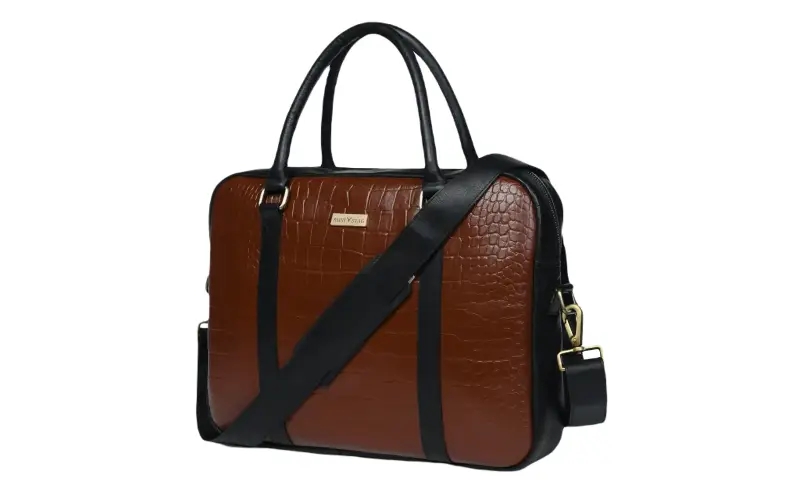
Restoring antique leather goods is an art that requires a delicate balance of skill, knowledge, and patience. Leather, unlike other materials, can deteriorate over time due to exposure to light, air, moisture, and the oils from the skin. Restoration involves cleaning the leather with gentle, non-invasive methods to remove dirt and stains, followed by conditioning to replenish lost moisture and restore flexibility. The process might also include repairing seams, re-dying the leather, or re-stitching parts that have frayed or torn. Each restoration project is an intricate task, requiring an understanding of the specific needs of different types of leather. When done correctly, restoration can breathe new life into an old piece, preserving its history while giving it a new purpose. The beauty of restored antique leather goods lies in their ability to retain their original character and quality while being functional and relevant in today’s world.
How Antique Leather Goods Reflect The Past In Modern Fashion?
Antique leather goods offer a glimpse into the past, serving as a window into the evolving styles and trends of different eras. Many pieces have aged beautifully, their patinas, creases, and worn surfaces speaking to the longevity and durability of the material. In modern fashion, antique leather has seen a resurgence, as designers and consumers alike seek out items that not only reflect the timeless quality of the material but also embody the history that comes with it. Whether it’s a vintage leather jacket or a classic handbag, antique leather goods offer a distinctive aesthetic that contemporary fashion cannot replicate. The charm of these items lies in their individuality and the story they tell, making them highly sought after in the fashion world. In a world increasingly dominated by fast fashion, antique leather goods stand as a testament to the enduring nature of quality craftsmanship and the value of items that stand the test of time. Their continued presence in modern fashion speaks to a collective desire to connect with history and appreciate the craftsmanship that goes into making each unique piece.
The Value Of Antique Leather Goods: A Collector’s Guide
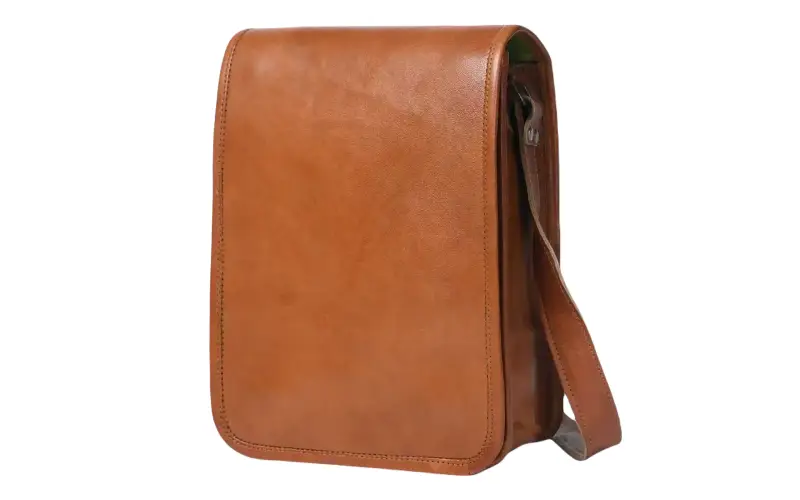
For collectors, antique leather goods represent more than just aesthetically pleasing objects; they are valuable commodities with a rich history. The value of antique leather items can vary greatly depending on factors such as age, condition, brand, rarity, and provenance. Certain brands, such as Hermes, Louis Vuitton, or Gucci, have become synonymous with high-quality craftsmanship and are highly coveted by collectors. The rarity of a piece, such as a limited-edition item or a product that was discontinued decades ago, can also dramatically increase its value. Condition plays a critical role in determining value; well-preserved items that show minimal signs of wear and tear tend to fetch higher prices. Provenance, or the documented history of ownership, can also affect value, particularly if the item was owned by a famous person or has a historical connection. For collectors, acquiring antique leather goods is not just about adding to a collection; it’s about preserving a piece of history and recognizing the craftsmanship and artistry that went into creating these items. Understanding these factors can help collectors make informed decisions when purchasing antique leather goods, ensuring they acquire pieces that will continue to appreciate in value over time.
Vintage Vs Antique Leather Goods: What’s The Difference?
When it comes to leather goods, the terms “vintage” and “antique” are often used interchangeably, but there are distinct differences between the two. An item is typically considered “vintage” if it is at least 20 years old but less than 100 years old. Vintage leather goods may still have a relatively modern feel but carry with them the charm of a bygone era. On the other hand, “antique” refers to items that are 100 years old or older. Antique leather goods are rare, often carrying a significant historical value in addition to their age. While vintage leather items may show signs of wear, they are generally in better condition than their antique counterparts, which might have visible signs of age such as cracking, fading, or even a distinct patina that reflects decades of use. Understanding the difference between vintage and antique leather goods is important for collectors, as it affects not only the value but also the historical context of the item. Antique leather goods often have a more significant connection to the past, representing different periods in history, whereas vintage items tend to capture the essence of more recent trends and craftsmanship.
Antique Leather Goods: Understanding The Craftsmanship Behind Each Piece
One of the most fascinating aspects of antique leather goods is the craftsmanship that goes into creating them. Before the advent of mass production, leather goods were meticulously handcrafted by skilled artisans who spent years perfecting their craft. These craftsmen worked with high-quality leather, often sourced from animals like cows, goats, or sheep, which was then cut, shaped, dyed, and stitched by hand. The process was time-consuming and required an immense amount of skill and attention to detail. Many antique leather goods feature hand-stitched seams, intricate tooling or embossing, and unique closures or fastenings that demonstrate the individual care and effort put into each piece. Over time, these handmade items would gain a distinctive character, with creases, folds, and patinas developing that can’t be replicated by modern manufacturing techniques. The craftsmanship of antique leather goods is a testament to the artistry and dedication of the artisans who created them. These pieces not only serve as functional items but also as works of art, showcasing the incredible skill involved in their creation.
Why Antique Leather Goods Make Perfect Gifts For Special Occasions?
Antique leather goods are an exceptional choice for gifts, especially for special occasions. They carry with them a sense of timelessness and thoughtfulness, making them ideal for marking significant moments such as weddings, anniversaries, or milestone birthdays. A well-chosen piece of antique leather—whether it’s a vintage leather wallet, a beautiful briefcase, or a classic leather jacket—can serve as a meaningful, lasting gift. The uniqueness and history behind these items add an extra layer of sentimentality, turning a simple gift into a cherished keepsake. Antique leather goods are also practical, as they are durable and designed to withstand the test of time. When gifted, they often become treasured items, passed down through generations and carrying the legacy of both the giver and the recipient. Choosing antique leather goods as a gift not only reflects the thought and care that went into the selection but also offers the recipient something truly special—a piece of history that will only become more valuable and meaningful as time goes on.
Conclusion
Antique leather goods are more than just relics of the past; they are beautifully crafted, timeless pieces that hold immense value in both historical and practical terms. Whether through the art of restoration, their role in modern fashion, or their value as collectibles, antique leather items continue to captivate and inspire. From the intricate craftsmanship behind each piece to the lasting memories they create as gifts, these goods offer a unique connection to history. For collectors, fashion enthusiasts, or those seeking a special, meaningful gift, antique leather goods offer a blend of beauty, functionality, and a story that spans generations. As we continue to embrace sustainability and value craftsmanship, antique leather goods will remain an important part of our cultural and fashion heritage, bridging the past with the present.
Resource Url:
https://en.wikipedia.org/wiki/Leather

Janette Murphy, a passionate blogger residing in the United States, blends her love for business, technology, and travel into captivating content. With a keen eye for detail and a knack for storytelling, she navigates the digital world, sharing insights and experiences. Follow Janette’s adventures as she explores the intersection of innovation, entrepreneurship, and wanderlust.