

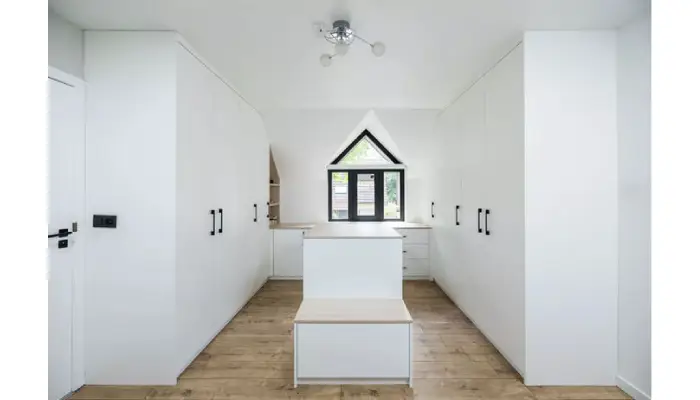
When it comes to choosing between walk-in wardrobes and fitted wardrobes, each has its own benefits and drawbacks. Walk-in wardrobes are standalone spaces that let you showcase your clothes and accessories, offering plenty of room for organization. However, they need more floor space, making them suitable for larger rooms. Fitted wardrobes, on the other hand, are custom-made to fit snugly into a room’s dimensions; they maximize space but might limit storage capacity if you have a lot of items. Overall, the choice depends on your available space, budget considerations, and personal style preferences, both options can work well depending on individual needs.
1. Definition of Walk-In and Fitted Wardrobes
Walk In Wardrobes are expansive spaces designed for easy movement and accessibility. They often resemble small rooms where you can freely navigate among your clothing and accessories. This layout allows for creative organization, showcasing items beautifully, and can even feature additional comforts like seating or display islands. On the other hand, Fitted Wardrobes are custom-built to fit specific areas within a room, optimizing space by snugly fitting against walls or corners. These wardrobes often come with various door options, such as sliding or hinged, and can blend seamlessly into existing furniture, making them a practical choice for smaller spaces or rental homes. Both styles cater to different needs, with Walk-In Wardrobes offering a luxurious experience and Fitted Wardrobes providing a more space-efficient solution.
- Walk-In Wardrobes are spacious, allowing for movement and easy access to items.
- Fitted Wardrobes are tailored to fit specific spaces, often built into walls or corners.
- Walk-In Wardrobes can include islands or additional seating areas for comfort.
- Fitted Wardrobes can be designed with a variety of door options, like sliding or hinged doors.
- Walk-In Wardrobes often feature specialized storage solutions for shoes, bags, and accessories.
- Fitted Wardrobes can maximize hanging space with adjustable shelving and rods.
- Walk-In Wardrobes can enhance the luxury feel of a home, often associated with high-end designs.
2. Space Requirements for Each Wardrobe Type
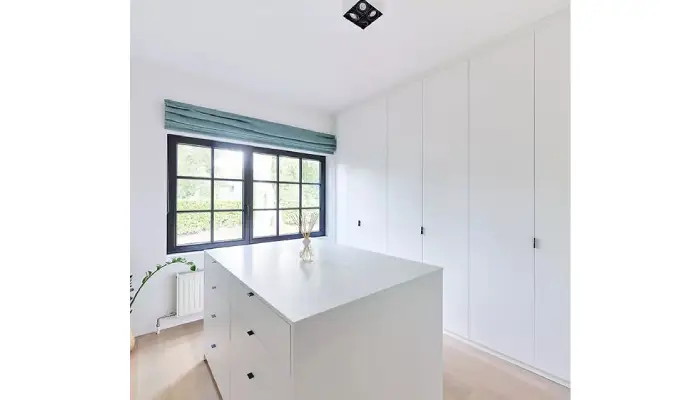
Walk-in wardrobes require a significant amount of space to function effectively. Generally, they need at least 5-6 feet in width and a wall length of 7-8 feet to be practical. This space allows for easy movement and access to all items, but it also demands careful planning for features like lighting and airflow, which are essential in such a spacious area. On the other hand, fitted wardrobes are designed to optimize smaller or awkward spaces. They can easily fit into corners or under slanted ceilings, making them a versatile option for rooms with unique layouts. Additionally, fitted wardrobes can be built up to the ceiling, maximizing vertical space, and can include tailored pull-out drawers and shelves to make the most of limited areas. This adaptability makes fitted wardrobes ideal for those looking to create storage solutions in compact settings.
3. Comparing Storage Capacity
Walk-in wardrobes generally offer a greater total storage capacity due to their larger, room-like structure. This ample space allows for a wide range of items, including larger pieces like suitcases and seasonal clothing, to be stored without restriction. The layout often includes multiple hanging areas tailored for various clothing types, helping to keep everything organized. In contrast, fitted wardrobes are designed to maximize the available space in a room, making them suitable for smaller areas. They can be equipped with a variety of compartments, such as pull-out racks and trays, to optimize storage. While fitted wardrobes may not hold as much overall, they can be customized to include deep drawers for bulkier items like sweaters and specialized sections for shoes and jewelry. Walk-in wardrobes excel in visibility, allowing users to see their entire collection at a glance, which can help reduce clutter. Ultimately, the choice between the two depends on individual storage needs and the specific layout of the room.
Cost Considerations
Walk-in wardrobes typically come with a higher price tag due to their size and the need for additional features like lighting and ventilation. The installation costs can add up, making them a luxury item that can also increase your home’s value. On the other hand, fitted wardrobes are generally more budget-friendly, as they can be customized without the extensive costs associated with constructing a separate room. They can also be quicker to install, which is a plus for those on a tight schedule. For those looking to save money, fitted wardrobes can be made from less expensive materials while still offering a stylish look. Additionally, they can often be tackled as a DIY project, further reducing costs. In contrast, walk-in wardrobes may involve higher long-term expenses due to maintenance and the constant need for organization. Fitted wardrobes, however, can be updated or modified over time without significant financial strain, allowing for flexibility as your needs change.
5. Aesthetic Options for Walk-In and Fitted Wardrobes
Walk-in wardrobes offer a canvas for elaborate designs, allowing homeowners to express their personal style. With open shelving, decorative features, and unique lighting designs, they can become stunning focal points in a room. For instance, you might include a seating area for comfort, or showcase artwork and personal touches that reflect your personality. The ability to incorporate specialized storage for shoes and accessories adds both functionality and flair.
On the other hand, fitted wardrobes excel at blending seamlessly with existing room decor. They can be painted or finished in colors that match the overall theme of the space, creating a cohesive look. With customizable exteriors, like wood veneers or laminate finishes, fitted wardrobes maintain a clean and streamlined appearance. Mirrors can be integrated to enhance the sense of light and space, making them an excellent choice for smaller rooms. Whether you prefer the open, expressive nature of walk-in wardrobes or the sleek, space-saving design of fitted wardrobes, both options offer unique aesthetic appeals.
6. Access and Convenience Factors
Walk-in wardrobes offer a level of accessibility that makes choosing outfits a breeze. With everything laid out in front of you, selecting clothing, shoes, and accessories becomes a straightforward task. In contrast, fitted wardrobes can sometimes be less convenient, as reaching into drawers or shelves may require a bit more effort, especially if items are stored at the back or on higher shelves.
Another advantage of walk-in wardrobes is their ability to function as dressing rooms. This enhances the overall dressing experience, allowing you to try on different outfits in a spacious and comfortable environment. On the other hand, fitted wardrobes, while customizable, often lack this open space and may not provide the same level of visibility for all your items.
The organization in walk-in wardrobes is typically easier, which means you’ll spend less time searching for what you need. Fitted wardrobes can be designed with features like pull-down rods, but they still might require more effort to keep everything organized. Walk-in wardrobes can also incorporate seating areas, making it convenient to try on shoes or accessories.
For families or couples, walk-in wardrobes allow for shared space, accommodating multiple users without feeling cramped. Fitted wardrobes can be tailored to fit individual needs, but they may require regular maintenance to keep shelves and drawers functional. Overall, the difference in access and convenience between these two options can significantly impact your daily routine.
7. Maintenance and Organization Tips
Walk-in wardrobes need regular organization to keep them from becoming cluttered. A good practice is to schedule cleaning and decluttering sessions, perhaps seasonally, to rotate clothing and accessories. Using clear bins or labels can make it easier to find items. Hooks for bags and accessories can also help reduce mess. On the other hand, fitted wardrobes have defined storage spaces, which simplify organization. Utilizing storage bins or baskets encourages order, and drawer dividers can separate smaller items effectively. Occasional adjustments to shelving and hanging rods may be necessary as your storage needs change. To enhance organization, maintaining a consistent color scheme for items can make everything visually appealing and easy to locate.
8. Customization Potential for Both Wardrobe Types
Walk-in wardrobes offer extensive customization options, allowing you to create unique layouts that cater specifically to your needs. You can design an entire space with specialized storage solutions for shoes, accessories, or even a dedicated ironing area. This flexibility can elevate your wardrobe experience, making it not just functional but also a reflection of your personal style. Moreover, custom finishes and colors can truly set your walk-in wardrobe apart, offering a personalized touch that enhances your home’s aesthetic.
On the other hand, fitted wardrobes are also highly customizable, albeit within the constraints of the room’s dimensions. They can incorporate various storage options like adjustable shelving, which allows you to adapt your wardrobe as your lifestyle or wardrobe size changes. Fitted wardrobes can seamlessly fit into alcoves or under stairs, maximizing the use of available space. Their design can evolve with you, making them a practical choice for anyone looking to maintain an organized and stylish environment.
9. Lighting Considerations for Wardrobes
Walk-in wardrobes often require additional lighting solutions to ensure visibility and create a pleasant ambiance. While they can take advantage of natural light through windows or skylights, artificial lighting remains crucial for evening use. Examples include track lighting, which provides focused illumination, or chandeliers that add a touch of elegance. On the other hand, fitted wardrobes typically rely on existing room lighting but can greatly benefit from integrated lighting options. This can include LED strips installed inside the wardrobe, providing efficient and effective lighting. For walk-in wardrobes, mirrored surfaces can enhance light reflection, making the space feel larger and brighter. However, fitted wardrobes may require careful planning of lighting placement to avoid shadows that can make it difficult to see items clearly. Additionally, walk-in wardrobes can incorporate convenient features like motion-sensor lights, while fitted wardrobes often utilize light colors in their interiors to create a more open feel.
10. Making Your Final Decision
When deciding between a walk-in wardrobe and a fitted wardrobe, first assess the space you have available. If you have a spacious room, a walk-in wardrobe might be a great fit. However, if your room is smaller or has awkward corners, a fitted wardrobe could maximize your storage efficiently. Next, think about your budget. Walk-in wardrobes often come with a higher price tag due to their size and customization, while fitted wardrobes can be more budget-friendly without sacrificing style.
Consider your personal style: do you prefer the open feel and luxury of a walk-in, or the seamless integration of a fitted wardrobe? Evaluate your storage needs, too. If you own a large collection of clothes and accessories, a walk-in wardrobe may serve you better. On the other hand, if you’re a minimalist, a fitted wardrobe might suffice.
Accessibility is another factor. Walk-in wardrobes provide easy access to your items, making them convenient for daily use, while fitted wardrobes may require reaching into shelves or drawers. Think about your long-term plans as well: if you might move or change homes soon, a fitted wardrobe could be a more practical choice.
Finally, consider how each option complements your home’s decor. A walk-in wardrobe can be a stunning feature, while a fitted wardrobe can maintain a clean, minimalist look. Look into customization options for both types, as they can greatly enhance functionality and style. Don’t forget to consult family members who will share the space, as their input can be valuable. Take the time to visualize how each option will function in your home, ensuring you make the right choice for your needs.
Frequently Asked Questions
1. What are the main differences between walk-in wardrobes and fitted wardrobes?
Walk-in wardrobes offer more space and flexibility, allowing you to move around and see everything easily, while fitted wardrobes are built into walls, saving space and providing a streamlined look.
2. Which type of wardrobe is better for small bedrooms?
Fitted wardrobes are typically better for small bedrooms since they utilize wall space efficiently, providing storage without taking up too much room.
3. Can you customize walk-in and fitted wardrobes?
Yes, both types can be customized. Walk-in wardrobes can have various layouts with shelves and hanging spaces, while fitted wardrobes can be tailored to fit the exact dimensions of your room.
4. How do I decide which wardrobe fits my style better?
Consider your lifestyle and preferences. If you love accessibility and have the space, a walk-in wardrobe could be a great choice. If you prefer a sleek, modern look that’s space-saving, fitted wardrobes might suit you better.
5. Are there any advantages to organizing clothing in a walk-in wardrobe compared to a fitted one?
Yes, walk-in wardrobes often allow for better organization since they provide more space for different types of storage, making it easier to find and arrange your clothing and accessories.
TL;DR Walk-in wardrobes are spacious and allow for extensive organization and personal expression, ideal for larger rooms and collections. They tend to be more expensive and require careful maintenance. Fitted wardrobes maximize space in smaller areas, are generally more budget-friendly, and offer easier organization. The best choice depends on your available space, budget, and storage needs.

Vilma Hahn is an Alaskan native who has been blogging about life in the most Northern state for over 10 years. As a freelance writer, Vilma has traveled extensively through Alaska, collecting stories and experiences to share on her blog. She shares stories about hiking and camping, visiting small towns, and outdoor adventures. Vilma loves to share her enthusiasm for life in Alaska and hopes to encourage people from all over the world to visit the 49th state.