

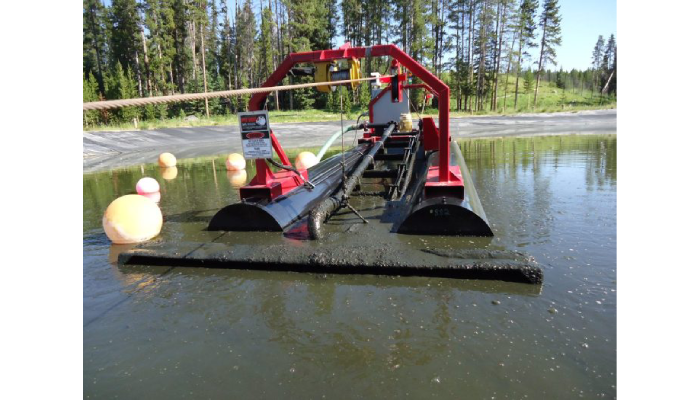
Managing wastewater dredge material is a critical aspect of environmental compliance for facilities involved in water treatment, construction, or marine operations. As regulations become increasingly stringent and public awareness of environmental impacts grows, organizations must prioritize sustainable and lawful management of dredged sediments. This includes understanding the composition of wastewater dredge material, proper handling, disposal techniques, regulatory obligations, and ongoing monitoring. This comprehensive guide explores essential compliance tips to help organizations effectively manage wastewater dredge while minimizing risks and liabilities.
Key Regulations Governing Wastewater Dredge Material
Compliance with environmental regulations is the cornerstone of effective wastewater dredge management. In the United States, the Clean Water Act (CWA) regulates the discharge of pollutants into water bodies and provides guidelines for dredge and fill activities. Additionally, the Resource Conservation and Recovery Act (RCRA) governs the classification, treatment, and disposal of solid and hazardous wastes, which may include certain types of dredged material.
State and local jurisdictions may have their permitting processes and environmental protection standards, which can be even more stringent than federal requirements. Therefore, understanding the full spectrum of applicable regulations—including those related to wetlands protection, sediment quality standards, and beneficial reuse—is crucial for organizations managing wastewater dredge material.
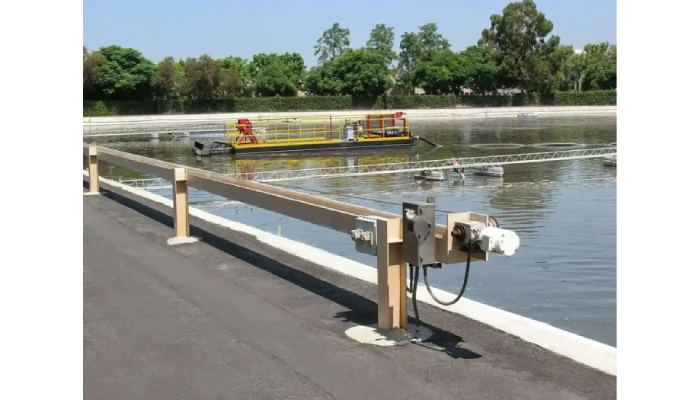
Best Practices for Wastewater Dredge Sampling and Characterization
Before any wastewater dredge material can be treated, disposed of, or repurposed, it must be thoroughly analyzed to determine its physical, chemical, and biological characteristics. This process is essential for regulatory compliance and for identifying potential hazards.
Sampling should follow a standardized protocol that includes core sampling of sediment layers to capture depth-based variations in contaminant levels. Laboratory analysis must assess parameters such as heavy metals (e.g., lead, arsenic, mercury), volatile organic compounds (VOCs), polycyclic aromatic hydrocarbons (PAHs), nutrient content (e.g., nitrogen, phosphorus), pathogens, and total organic carbon.
Storage and Transportation Tips for Compliance
Proper storage and transportation of wastewater dredge material are crucial for maintaining environmental safety and legal compliance. Temporary storage of dredged material must be conducted in lined and contained areas to prevent leaching of contaminants into the ground or nearby water sources. These areas should also be equipped with stormwater runoff controls to prevent further environmental degradation.
Transportation of wastewater dredge must adhere to Department of Transportation (DOT) regulations, especially if the material is classified as hazardous. This includes using licensed haulers, labeling materials correctly, and maintaining accurate transport documentation. Overlooking these requirements can lead to regulatory violations, vehicle accidents involving hazardous substances, or environmental contamination during transit.
Disposal and Beneficial Reuse Options
One of the most challenging aspects of wastewater dredge material management is choosing the correct disposal or reuse pathway. Disposal methods must align with the nature of the material and regulatory standards. If the dredged material is deemed non-hazardous, landfilling may be an option, but this must be done at approved facilities that can accept dredged sludge.
For material with contaminants, stabilization or solidification may be required before disposal. These treatments reduce the mobility of pollutants, thus making the material safer for landfilling or reuse.
Monitoring and Recordkeeping for Long-Term Compliance
Compliance in wastewater dredge material management doesn’t end with removal and disposal. Ongoing monitoring and record-keeping are critical to demonstrating adherence to environmental standards and avoiding future liabilities. Monitoring involves periodic testing of dredged sites, receiving facilities, and any areas where the material was reused.
Organizations should implement long-term tracking systems to document dredging volumes, contaminant levels, treatment methods, disposal outcomes, and any incidents or corrective actions taken. Keeping detailed logs not only facilitates inspections by regulatory authorities but also protects the organization in the event of disputes or environmental assessments.
Training and Operational Controls
Ensuring that employees understand the regulatory and operational aspects of wastewater dredge management is essential for preventing errors and achieving compliance. Training programs should include instructions on safe handling procedures, emergency response actions in case of spills, proper use of personal protective equipment (PPE), and regulatory obligations relevant to their roles.
Standard Operating Procedures (SOPs) must be clearly written, regularly updated, and readily accessible to staff. They should cover each stage of dredge management—sampling, dewatering, transportation, treatment, and disposal. Internal audits and performance evaluations should be conducted to ensure adherence to these procedures and identify areas for improvement.

Vilma Hahn is an Alaskan native who has been blogging about life in the most Northern state for over 10 years. As a freelance writer, Vilma has traveled extensively through Alaska, collecting stories and experiences to share on her blog. She shares stories about hiking and camping, visiting small towns, and outdoor adventures. Vilma loves to share her enthusiasm for life in Alaska and hopes to encourage people from all over the world to visit the 49th state.