


When a loved one passes, families want to honor them with proper Antyesti, the sacred Hindu final rites. If you live in Los Angeles, Orange County, Riverside, or San Diego, you may be asking how to arrange respectful hindu cremation southern california services that follow tradition and also meet local laws. The good news is that with the right guidance, you can keep rituals authentic while handling all the practical details smoothly.
This guide walks you through customs, legal steps in California, what to expect from a funeral home, and how to plan everything on a clear timeline. It is written for Indian-origin families, including first-generation professionals and elders, who want both cultural depth and easy, step-by-step support.
By the end, you will know the key parts of a Hindu cremation service, how to speak with a funeral director, and how to make decisions about costs, priests, and ash immersion in a calm and informed way.
Understanding Hindu Funeral Customs
In Hindu dharma, the final rites are known as Antyesti Samskara. It is the last of the life sacraments and is considered a path to moksha, or spiritual liberation. The body is seen as a temporary vessel for the atman, the soul, which continues its journey.
Common elements of Hindu funeral rites include:
- Ritual bathing and dressing: The body is gently washed, often with water mixed with ganga jal if available, and dressed in simple, clean clothes.
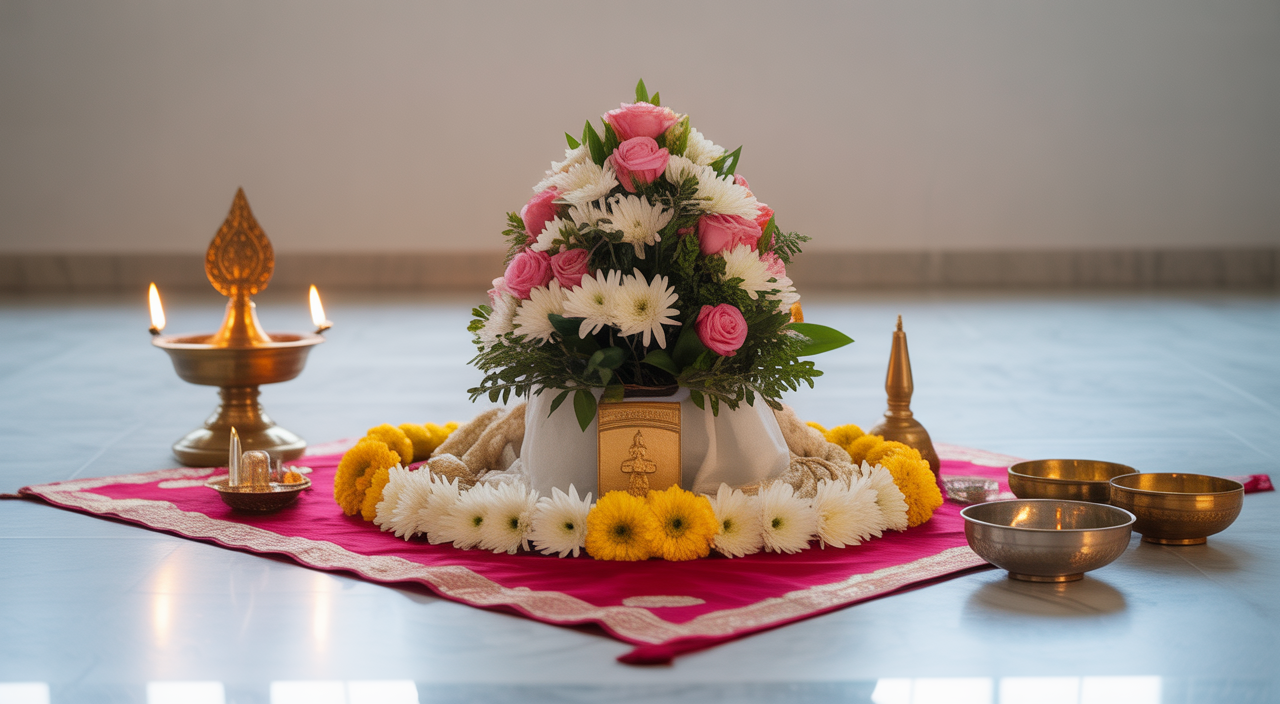
- Tilak and flowers: A tilak is applied on the forehead, and garlands or flowers are placed as a sign of respect.
- Mantras and prayers: Family members or a Brahmin priest recite sacred texts to support the soul’s onward journey.
Some families include pinda daan, the offering of rice balls to ancestors, and agni-related rituals that connect directly with the cremation fire. The focus is on purity, detachment, and sending the departed forward with love and blessings.
Legal Requirements & Permits in California
Along with religious rites, every family must follow California cremation laws. These rules protect both families and service providers and ensure the process is handled with dignity.
Basic steps include:
- Medical certification: A doctor or medical authority certifies the cause of death.
- Death certificate: The funeral home usually helps file the official death certificate with the county.
- Cremation permit: The county issues a permit before any cremation can take place.
- Authorization form: The legal next-of-kin signs a cremation authorization form.
A good Southern California funeral home will guide you through these steps, explain any county-specific rules, and provide a simple checklist. This support is especially helpful if you have family flying in from India or other countries and need a clear timeline.
Choosing the Right Hindu Cremation Service in SoCal
Not every funeral home is familiar with Hindu customs. When comparing options for hindu cremation southern california, look for a provider that respects both tradition and local procedures.
Here are key points to check:
- Experience with Hindu rites: Ask if they regularly serve Hindu families and understand Antyesti rituals.
- Priest coordination: Some families bring their own family priest. Others prefer the funeral home to arrange a Brahmin priest who speaks Hindi, Tamil, Telugu, Gujarati, or another regional language.
- Flexible space: Ensure there is space for chanting, viewing, and simple puja setup before the cremation.
- Multi-county support: If relatives are spread across Los Angeles, Orange County, Riverside, or San Diego, confirm they can manage permits and logistics for those regions.
Think of the funeral home as a support partner who handles logistics so your family can focus on prayers, memories, and togetherness.
Step-by-Step Hindu Cremation Process
Knowing the flow of events ahead of time brings a lot of peace, especially for younger family members who may be seeing these rites for the first time.
1. Before the cremation day
- Choose the funeral home and confirm dates and times.
- Share your religious preferences, such as language of prayers and any special traditions, with the director and priest.
- Arrange clothing, photos, and any sacred items you want by the body, like scriptures or small idols.
2. On the day of cremation
- Family gathers for final viewing and prayers. Mantras are recited and holy water may be sprinkled.
- In many traditions, the eldest son or closest male relative performs a small fire ritual, symbolically offering the body back to the five elements.
- The casket is gently moved into the cremation chamber. Some facilities allow the family to witness the start of cremation from a respectful viewing area.
3. After the cremation
- The ashes are collected in an urn, usually available within one or two days.
- Families may keep the urn at home temporarily and then plan ash immersion in the ocean, a local river, or in India.
- Many families perform a Shraddha ceremony or prayer gathering on the 10th, 11th, or 13th day, depending on their regional custom.
Pricing & Package Considerations
For many Indian families in the US, cost transparency is very important. When you review quotes for a Hindu cremation service, ask for an item-by-item breakdown so you can match it with your rituals and budget.
Typical inclusions in a complete package may cover:
- Professional care and preparation of the body.
- Use of the viewing room and crematory.
- Basic casket or cremation container and an urn for ashes.
- Filing of legal documents and cremation permit fees.
- Transportation from place of death to the facility.
Optional add-ons often include priest services, full puja setup, live streaming for relatives outside the US, floral arrangements, and printed prayer cards. Discuss these clearly so there are no surprises and you can choose what truly serves your family and your loved one’s wishes.
Guidance on Ash Immersion & Memorials
After cremation, families often ask where and how to immerse ashes respectfully. Some choose to carry a small portion back to India for immersion in a sacred river. Others prefer local options to allow elders or those who cannot travel to participate.
In Southern California, many families:
- Arrange a boat ceremony for ash immersion at sea in keeping with Hindu beliefs.
- Choose a calm river or lake, following local environmental rules.
- Keep a tiny portion of ashes in a home shrine while still performing Shraddha and regular prayers.
Your funeral home can often connect you with licensed boat operators or guide you on legal guidelines for scattering ashes so that customs and local regulations stay in harmony.
Additional Resources for Calm Planning
If you appreciate clear, practical breakdowns of complex topics, you may also find value in reading about how to work smoothly with specialized legal and service professionals during sensitive life events. For day-to-day peace of mind for elders, guidance similar to this article on supporting elderly independence with dignity can also be helpful for family discussions.
FAQs on Hindu Cremation in Southern California
Q1. How soon should the cremation take place after death?
In many Hindu traditions, cremation is performed as soon as practical, often within 24 to 48 hours. In California, timing depends on how quickly the death certificate and permit are issued. A well-organized funeral home can usually schedule the ceremony within two to three days, while still allowing close family to arrive from other states or countries.
Q2. Can we perform all traditional rituals even in a US crematory?
Most rituals can be respectfully adapted within local rules. You can usually perform prayers, place flowers, light a small ceremonial lamp or incense, and conduct a brief fire-related rite with the priest before the cremation begins. Speak openly with the funeral director about your specific customs so they can make space and time for them within safety guidelines.
Q3. Is it possible to combine a memorial service and cremation on the same day?
Yes, many families hold a short memorial or viewing service followed immediately by the ceremonial start of cremation. This works well when relatives are traveling from different places and you want everyone to participate in both remembrance and rituals in a single, well-planned gathering.

Vilma Hahn is an Alaskan native who has been blogging about life in the most Northern state for over 10 years. As a freelance writer, Vilma has traveled extensively through Alaska, collecting stories and experiences to share on her blog. She shares stories about hiking and camping, visiting small towns, and outdoor adventures. Vilma loves to share her enthusiasm for life in Alaska and hopes to encourage people from all over the world to visit the 49th state.