

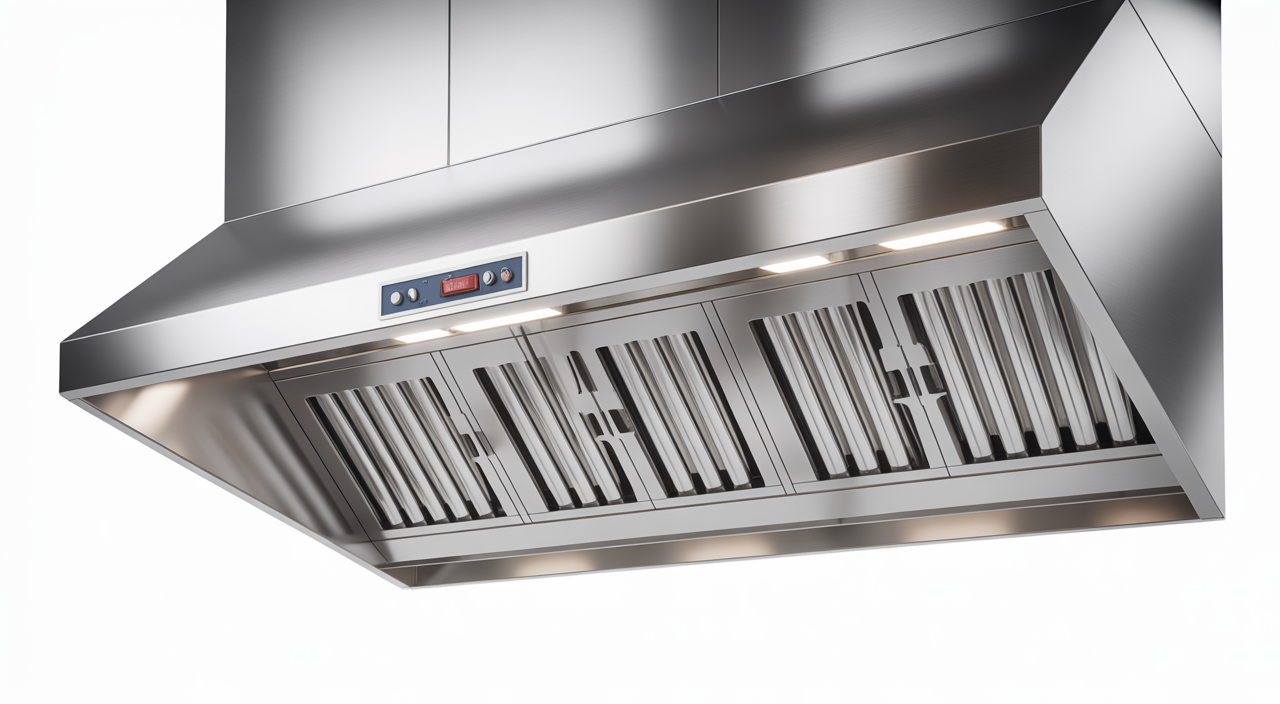
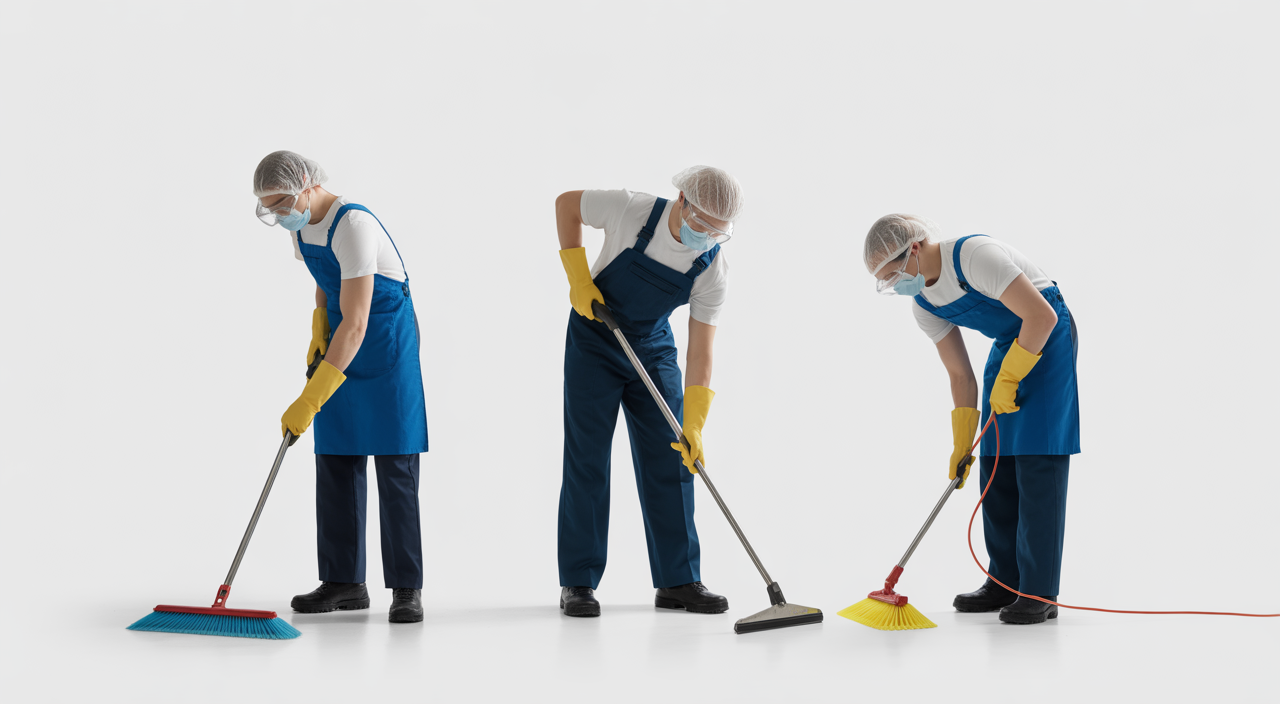
What is a commercial hood cleaning service and why does it matter?
Running a busy restaurant or commercial kitchen in India means working under constant pressure. Orders keep coming, the line stays hot, and the exhaust hood above your cooking range works nonstop. A professional commercial hood cleaning service helps you keep this critical system clean, safe, and compliant with fire regulations.
In simple terms, hood cleaning means removing grease and buildup from the hood, filters, ducts, and exhaust fan. This is not just cosmetic cleaning. It is a deep, technical process that protects your kitchen from fire risk and improves airflow.
For Indian investors and restaurant owners, understanding this service clearly helps you control costs, stay compliant with safety rules, and protect your brand reputation.
Why commercial hood cleaning matters so much
Every time your chefs fry, grill, or sauté, grease particles rise with the hot air. These particles get trapped in the hood and ducts. Over time, they form a thick, sticky layer. This layer is highly flammable and can catch fire quickly if not removed on time.
Professional hood and duct cleaning reduces this risk and keeps the exhaust system working efficiently. It also supports better indoor air quality, which your kitchen team will appreciate.
Fire safety and NFPA-style standards explained simply
Globally, commercial kitchens follow standards similar to NFPA 96, which sets rules for ventilation and fire protection in cooking operations. In India, local fire departments, insurance companies, and mall or hotel management often refer to these same guidelines when checking your kitchen.
The core idea is simple:
- Keep all grease pathways clean
- Ensure proper access to ducts and fans for inspection
- Maintain working fire suppression systems above cooking areas
When an inspector visits, a clean exhaust system with proper documentation reduces your risk of penalties and shutdowns.
How often should you schedule hood cleaning?
Frequency depends on how heavy your cooking is. A central kitchen serving multiple outlets, or a busy tandoor and deep-fry setup, will need cleaning more often than a light snack counter.
As a thumb rule based on global best practice:
- Heavy use (tandoor, grills, deep frying most of the day): every 1 to 3 months
- Moderate use (mix of frying and sautéing): every 3 to 6 months
- Light use (small cafés, low-oil cooking): every 6 to 12 months
Indian investors should treat this as a planned operational cost, not an emergency spend. Add it into your annual maintenance budget right from the project stage.
What to expect from a professional commercial hood cleaning service
A serious provider follows a clear, step-by-step process instead of just “wiping what is visible.” When you book a service, expect something like this:
- Site inspection and access check Technicians inspect the hood, filters, ducts, and rooftop or external exhaust fan. They look for access panels and any damaged parts.
- Covering and protecting equipment Cooking ranges, fryers, and nearby surfaces are covered with plastic sheets to prevent any cleaning chemicals or grease from spreading.
- Removing and soaking filters Filters are taken out and soaked in a degreasing solution. In some cases, pressure washing or special eco-friendly cleaners are used.
- Duct and fan cleaning Using scrapers, rotary brushes, and sometimes hot water or steam, they remove hardened grease from the ducts and exhaust fan.
- Polishing the hood exterior The outside of the hood is cleaned and polished so your kitchen also looks neat for audits or client visits.
- Final inspection and photos A good provider will show you before-and-after photos from inside the ducts and around the fan.
Some advanced methods like dry ice blasting or ultrasonic cleaning of parts may be used for heavy buildup or sensitive equipment. These techniques reduce water usage and can be faster, which helps if you run a 24/7 operation.
Certifications, insurance, and documentation you should ask for
When choosing a hood cleaning company, do not focus on price alone. Ask for:
- Proof of training or certification in kitchen exhaust system maintenance
- Valid insurance coverage for property damage and worker safety
- Written method statements and safety procedures
- Sample reports and photos from previous jobs (with customer details hidden)
This paperwork protects you in case of inspections, insurance claims, or any incidents later.
How much does exhaust hood cleaning cost?
Costs vary with city, system size, and grease level, but you can think in terms of a few key drivers:
- Size and complexity Larger hoods, multiple ducts, and roof fans naturally cost more.
- Grease buildup If your system has not been cleaned for a year or more, the first service can be higher. Regular contracts reduce the average cost per visit.
- Access challenges Difficult-to-reach ducts, tight shaft spaces, or high rooftops increase labour and equipment needs.
- Service timing Night or holiday work may carry a premium, but it also avoids downtime.
For budgeting, Indian investors can treat hood cleaning like annual air-conditioner maintenance: a recurring cost that prevents bigger failures and unplanned shutdowns later. Negotiating a yearly maintenance contract with fixed visits often gives better value than one-off emergency calls.
The power of monthly digital reporting
One big gap in the market is proper reporting. Many providers clean, take payment, and leave. Then, when an insurance auditor or mall safety officer asks for proof, you are left searching for old bills or WhatsApp photos.
A more advanced commercial hood cleaning service will offer:
- Monthly or quarterly digital reports by email
- Date-stamped before-and-after photos of hood, ducts, and fans
- Checklists showing what was cleaned and what needs repair
- Service certificates you can show to landlords, fire officers, or insurers
Think of this as your “compliance file.” When all documents are organised, audits become quick and stress-free. For multi-outlet restaurant groups, central reporting also helps track which branch is due for service next.
How Indian investors can evaluate return on investment
Hood cleaning may feel like a cost, but it actually protects revenue and reputation. Here is how:
- Lower fire risk and fewer surprise shutdowns
- Better exhaust airflow, which keeps kitchens cooler and more comfortable for staff
- Improved chances of smooth insurance claims if anything goes wrong
- Stronger relationship with mall management or hotel partners who value compliance
Some investors like to track metrics such as reduced complaints from staff about smoke, fewer odour issues in dining areas, and smoother fire audits. You can learn more about managing operational risk in other services from guides like this one on professional maintenance planning.
Thinking long term, a well-maintained exhaust system also has a longer life, which delays capex on replacement fans and ducts.
Choosing the right hood cleaning partner
Before signing a contract, use a simple checklist:
- Do they share a clear, written scope of work for hood, filters, ducts, and fans?
- Can they show sample reports or digital dashboards?
- Are their technicians trained to work safely around gas lines and hot equipment?
- Do they offer fixed schedules that match your kitchen timings?
- Can they support multiple locations if you expand?
It can also help to read case studies on how other businesses handle outsourced services and contracts, such as this article on getting value from professional service providers.
Next steps
If you already run a restaurant, check when your hood was last cleaned. If you are planning a new outlet, build regular cleaning into your business plan from day one. A reliable commercial hood cleaning service will not only clean your system but also act as a safety partner, keeping you updated with clear reports and reminders.
By treating hood cleaning as a strategic investment rather than a last-minute expense, Indian investors can protect staff, guests, and profits, all while keeping audits smooth and stress-free.
Frequently Asked Questions
Q1. How do I know my hood and ducts really need cleaning?
If you see visible grease dripping from filters, smell strong odours even after closing, or notice smoke not clearing fast, it is time to book a professional service. Another sign is any comment from fire officers, mall safety teams, or insurance surveyors about exhaust cleanliness.
Q2. Can my in-house staff handle hood cleaning on their own?
Daily surface cleaning by your staff is helpful, but it is not enough. The risky grease sits inside the ducts and around the exhaust fan, where access is difficult and safety risks are higher. That part should always be handled by trained technicians with proper tools and safety gear.
Q3. Does hood cleaning affect my daily operations?
Most providers schedule work during off-hours, late nights, or weekly off days, so disruption is minimal. For 24/7 kitchens, the work can be split into phases by line or section, ensuring you stay operational while still getting full coverage over a planned schedule.

Vilma Hahn is an Alaskan native who has been blogging about life in the most Northern state for over 10 years. As a freelance writer, Vilma has traveled extensively through Alaska, collecting stories and experiences to share on her blog. She shares stories about hiking and camping, visiting small towns, and outdoor adventures. Vilma loves to share her enthusiasm for life in Alaska and hopes to encourage people from all over the world to visit the 49th state.